Let Our Packaging Experts Review Your Project
Share your packaging requirements before you leave. Our experts can review your dieline, artwork, materials, inserts, finishing, certifications, MOQ, quality checks, and delivery expectations.

Brands can source eco-friendly custom packaging from four main types of supplier: online custom printers, stock-packaging distributors, regional converters, and direct manufacturers. The right choice depends less on a supplier’s sustainability marketing than on your order volume, box structure, finishing, and the markets you sell into. For B2B buyers, the harder problem is not finding a supplier who says “eco-friendly.” It is turning that word into a specification a factory can quote, a sample you can test, and a claim your team can defend in the United States or Europe. This guide compares the sourcing channels, shows how to define “eco-friendly” in measurable terms, and lists what to verify before you approve production.
Most brands choose between four channels. Each solves a different problem, and none is best for every project.
| Sourcing channel | Typical strengths | Typical limitations | Best fit |
|---|---|---|---|
| Online custom printers (web-to-pack) | Low entry quantities, quick ordering, standard templates | Limited structures, board grades, and finishes; little engineering input | Startups, test launches, simple mailers and folding cartons |
| Stock-packaging distributors | Fast availability, no tooling, predictable specifications | Branding is limited to labels, stamps, or sleeves; sizes are fixed | Shipping cartons, mailers, and fill where a plain look is acceptable |
| Regional converters and brokers | Local communication, project management, mid-range customization | Production may be subcontracted, so the certificate holder and the actual factory can differ | Mid-volume programs that need local contact and moderate customization |
| Direct manufacturers (including overseas factories) | Widest choice of structures, inserts, and finishes; control over specifications | Higher order quantities and longer lead times are common; you must manage samples, documentation, and freight | Rigid gift boxes, retail packaging, and multi-SKU programs with defined specifications |
The strengths and limitations above are general patterns, not guarantees. MOQ, lead time, and pricing vary by supplier and project, so confirm them in writing.
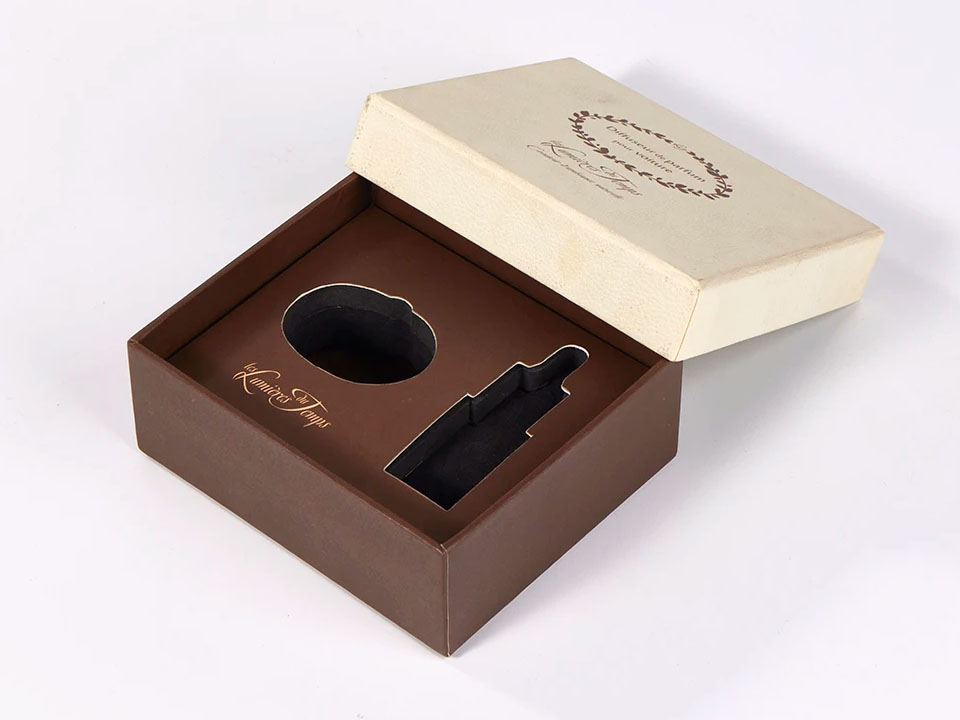
Many brands combine channels. A skincare company, for example, might buy stock mailers for shipping, then commission custom folding cartons for retail shelves and a rigid gift set for the holiday season. If your design needs a specific opening style, a fitted insert, or a branded finish, a direct manufacturer is usually the channel that can engineer it. Buyers comparing structures can start with the custom box shapes and structures available for rigid and folding formats.
“Eco-friendly” is a marketing term, not a technical property, and a factory cannot price it. A packaging specification needs to separate several different attributes that buyers often blend together.
| Attribute | What it describes | What to ask the supplier |
|---|---|---|
| Recycled content | Share of the board made from recovered fibre | Percentage, pre-consumer vs post-consumer, and a mill or spec sheet |
| Responsibly sourced fibre (for example, FSC) | Where the virgin fibre came from and whether the supply chain is certified | Certificate holder, scope, validity, and whether the factory itself is certified |
| Recyclability | Whether the finished package can be collected and recycled | A list of every component: board, coatings, laminations, foils, inserts, magnets, ribbons, adhesives |
| Plastic reduction | Fewer or no plastic components, such as film lamination or foam inserts | Which plastic parts were removed and what replaced them |
| Natural appearance (kraft look) | A visual style, not a claim | Whether the board is actually unbleached, recycled, or only printed to look natural |
These attributes are independent. A box can be made from recycled board and still be laminated with a film that complicates recycling. A box can be FSC-certified and contain no recycled fibre. A kraft-coloured box can be made from virgin or recycled fibre.
Vague wording causes real quoting problems. Terms such as “premium paper,” “thick cardboard,” or “eco-friendly box” are too imprecise for accurate pricing, and a good packaging material selection process translates them into board type, thickness, surface, and finish. The same page lists recycled paperboard, kraft paperboard, and FSC-certified paper among the options a buyer can discuss, and it advises confirming certification claims and label use before artwork approval.
Each claim has its own substantiation burden.
The Green Guides are federal guidance rather than a packaging standard, and your legal team should review final wording for each market.
Material choice is only part of the outcome. The box structure, the finishes, and the inserts often change the result more than the board grade does.
A lower-impact material does not guarantee a lower-impact package. A recycled-board box that is two sizes too large wastes board and fills freight cartons with air. One that is too weak for the product leads to damaged goods, replacements, and extra shipments. The better target is the lightest structure that still protects the product through your actual shipping route.
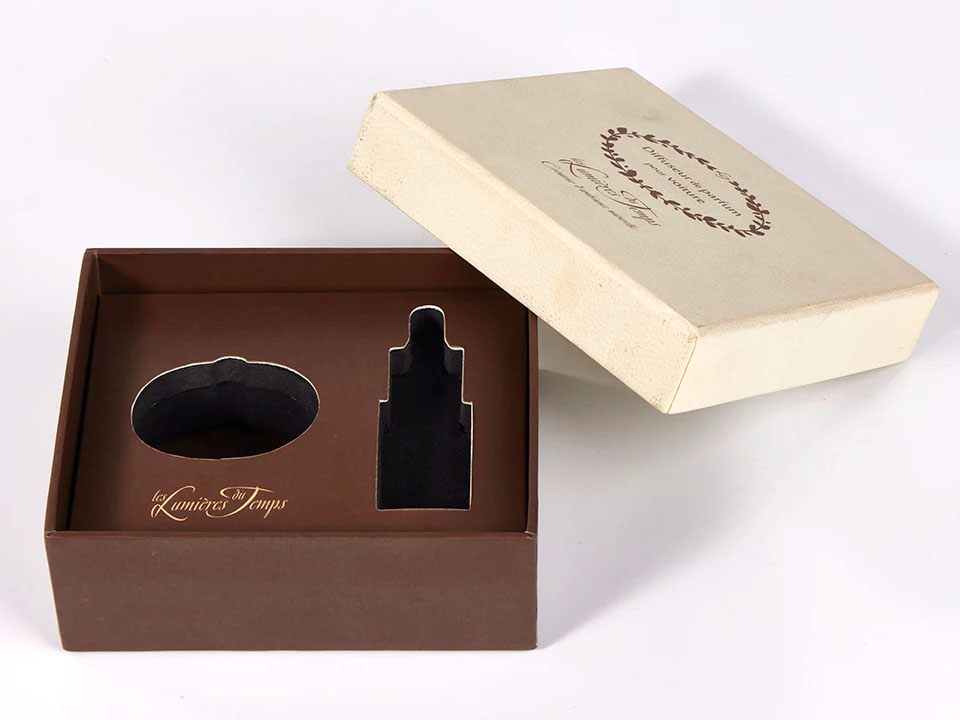
That is a structural question, and it belongs at the dieline stage rather than after production starts. Structural design and dieline development covers fit, inserts, folding logic, and assembly, all of which affect how much material a package uses and how efficiently it ships.
Format matters for logistics. Folding cartons, mailers, and similar flat-shipped formats can reduce storage space and freight pressure, as Zhibang’s material guidance notes. Rigid boxes usually ship assembled and occupy more volume, but they suit gifting and premium retail where presentation is part of the product. Buyers sometimes argue that a rigid box is justified because customers keep it. Reuse is a behavioural assumption, not a specification, so avoid building environmental claims on it.
Foil stamping, soft-touch lamination, gloss lamination, spot UV, magnets, ribbons, and foam or plastic inserts all add non-paper components. How these affect recycling depends on the material and on local sorting and recycling systems, so there is no universal rule. Practical steps:
Substrate also changes print. Uncoated kraft and recycled boards absorb ink differently from coated art paper, so colours can look duller or shift, and finishes such as foil or embossing may behave differently. A review of artwork and prepress files before printing can catch dieline, colour, bleed, and finishing-layer problems on the chosen board rather than on the production run.
Three areas cover most B2B projects. This is general information, not legal advice.
United States. The FTC Green Guides, cited above, are the main reference for environmental marketing claims on packaging. They address general environmental benefit, recyclable, and recycled-content claims.
European Union. Regulation (EU) 2025/40, the Packaging and Packaging Waste Regulation, entered into force on 11 February 2025 and applies from 12 August 2026, according to the European Commission’s guidance document. The same guidance notes that some provisions apply on later dates. For example, Article 6(2)(a), part of the recyclability requirements, applies from 1 January 2030 or 24 months after the relevant delegated acts, whichever is latest. If you sell into the EU, ask your supplier what documentation it can provide and have your compliance team check which obligations fall on you as the brand owner or importer.
Claims on the box itself. Any wording or certification mark you print is your claim. Agree it before artwork approval, because reprinting a production run is far more expensive than editing a file.
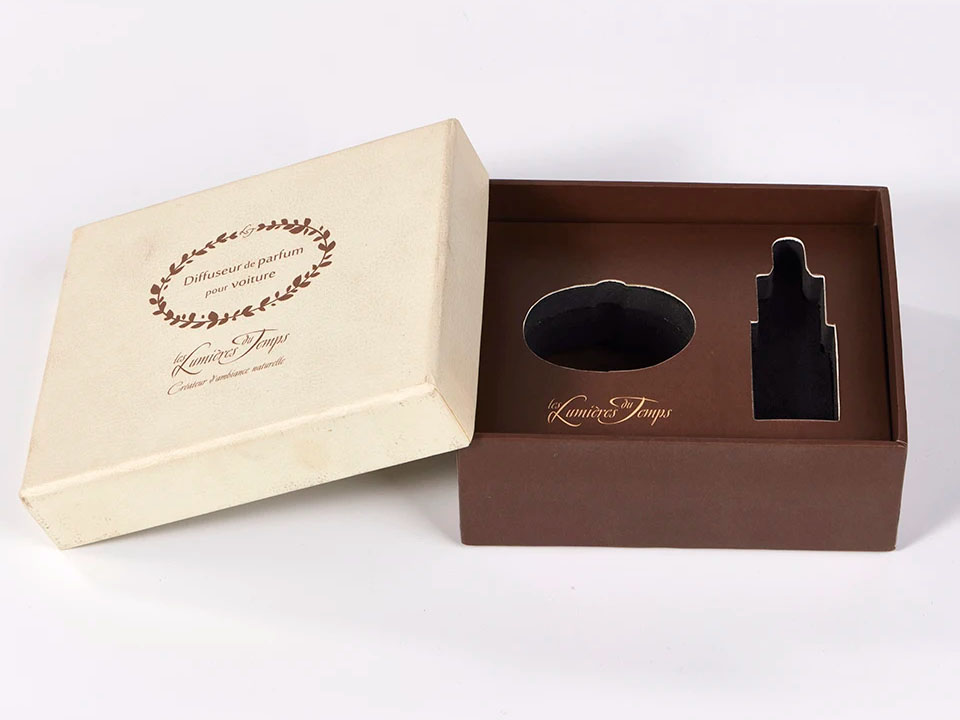
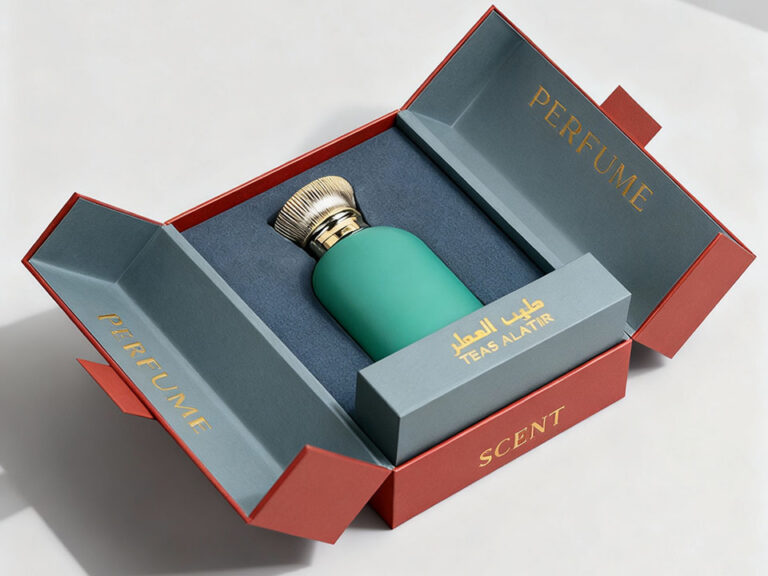
Material and structure should follow the product. A candle jar needs more shock resistance than a scarf; a perfume bottle needs a fitted insert; apparel packaging needs flexible sizing and efficient packing. Fragile goods such as glassware, candles, or electronics may need stronger board, tighter inserts, or reinforced corners, and an eco-friendly option has to pass the same protection test as a conventional one. If the greener board fails in transit, the project has not reduced waste.
Buyers can review industry-specific custom box options for cosmetics, candles, jewelry, apparel, electronics, and wine to see how structure, inserts, and finishing needs differ by category before shortlisting materials.
Use this checklist to separate documented capability from marketing language.
Treat supplier-supplied statements as claims until you have seen the documents. Comparing a supplier’s evidence with your own spec is more reliable than comparing supplier websites.
Substitute materials introduce risks that a screen proof cannot show. Recycled and kraft boards can behave differently when creased, folded, glued, or laminated, which can cause cracking, warping, weak corners, or colour inconsistency. A sample lets you test the issues that matter: stiffness, fold quality, print colour, insert fit, and performance in a shipping carton.
A structured prototyping and sampling step lets procurement, packaging, and brand teams approve size, material, print, and insert fit before mass production. For eco-friendly projects, add two checks: pack and drop-test the sample with your real product, and confirm that the sample material matches the quoted production material.
A precise brief shortens the quoting cycle and reduces revisions. Include:
Sending this brief to two or three qualified suppliers makes quotes comparable. Judge them on total landed cost, which includes freight, tariffs, damage rates, and storage, rather than on unit price alone. A cheaper box that arrives crushed or cannot carry the claim you printed on it is not cheaper.
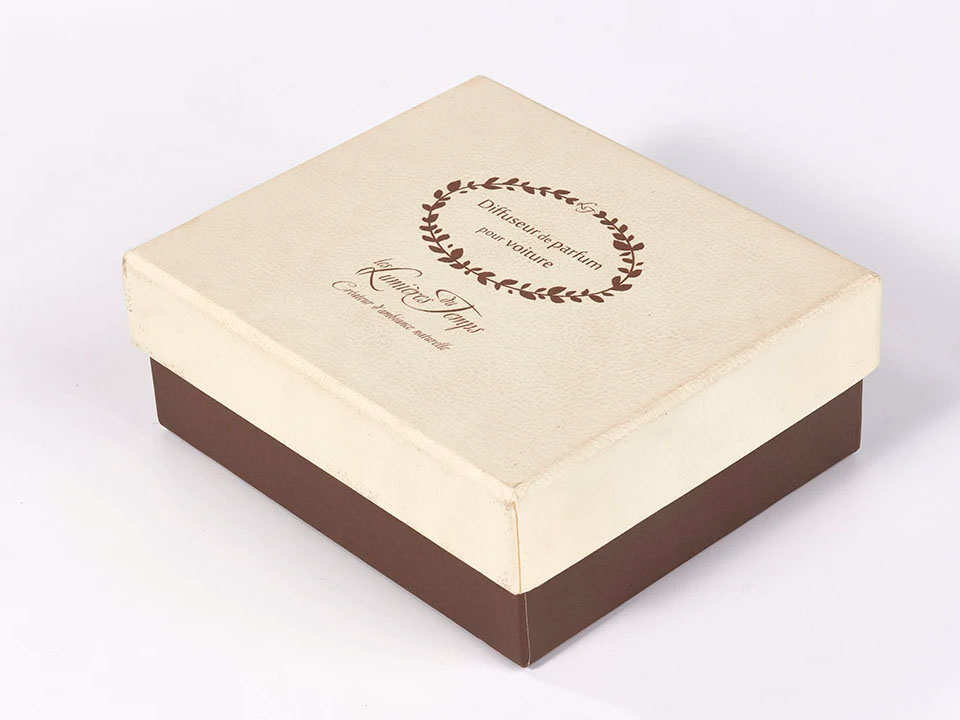
Bulk buyers typically work with regional converters or direct manufacturers. Online printers and stock distributors suit smaller runs. Choose based on structure, finishing, quantity, and documentation needs, and request samples and written material specifications from every supplier.
No. Kraft is a paper type, not a recyclability guarantee. Coatings, laminations, foil, magnets, and plastic inserts can complicate recycling, and recyclability also depends on local collection systems. Ask for a full component list before making any recyclable claim.
Not necessarily. FSC certification addresses how fibre is sourced and tracked through the supply chain. Recycled content is a separate attribute. Ask the supplier to state recycled-content percentage and FSC status separately in the specification.
Yes, provided it can document materials and certifications and you verify them. For EU sales, check the requirements of Regulation (EU) 2025/40, which applies from 12 August 2026. For US sales, review claim wording against the FTC Green Guides.
It depends on the material, structure, finishing, and quantity. There is no universal premium. Recycled board can cost less or more than virgin board, and removing laminations or inserts can change costs. Compare quotes on identical specifications and total landed cost.
Avoid it unless you can substantiate it. The FTC Green Guides advise against unqualified general environmental benefit claims. Use specific, verifiable statements, such as the recycled-content percentage or a certified label you are authorized to use, and have counsel review them.
Comments