Let Our Packaging Experts Review Your Project
Share your packaging requirements before you leave. Our experts can review your dieline, artwork, materials, inserts, finishing, certifications, MOQ, quality checks, and delivery expectations.

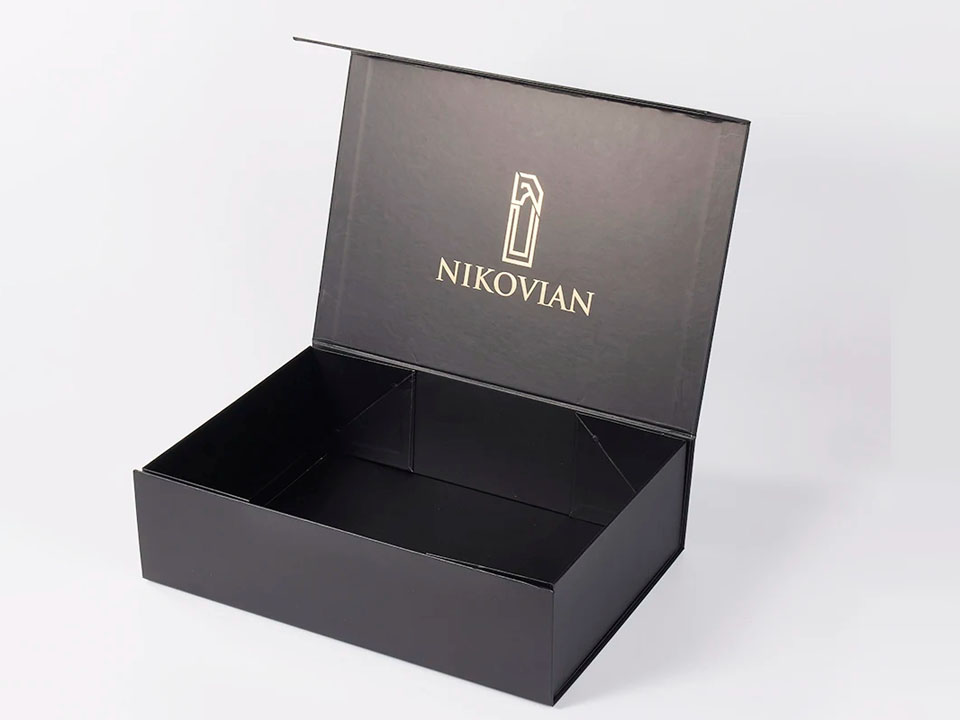
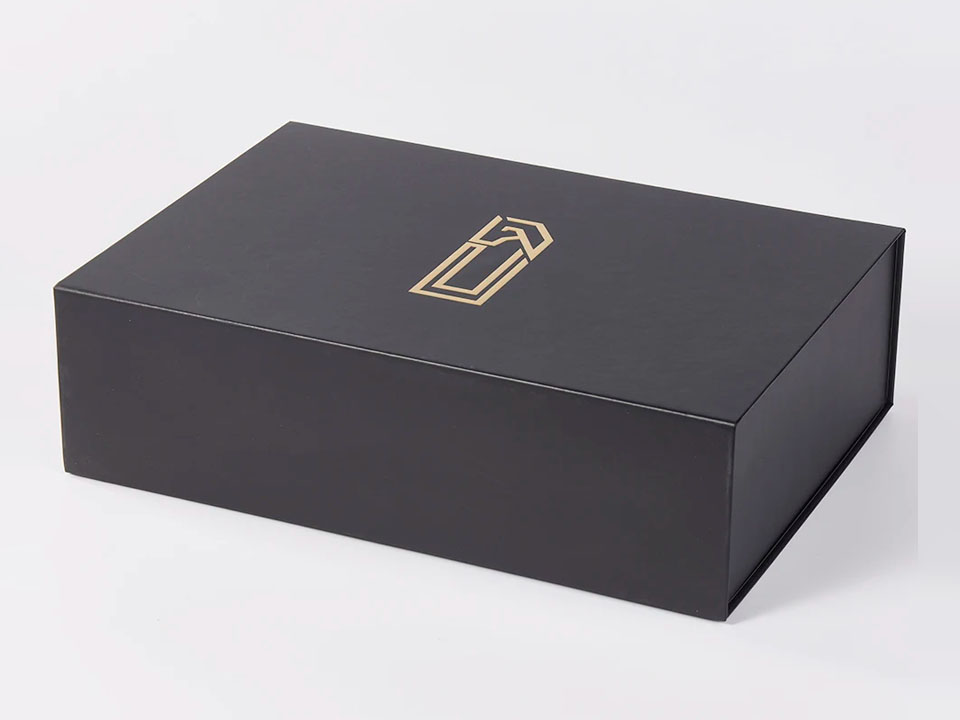
A rigid setup box is a gift box that is built at the factory from thick paperboard, wrapped in printed or textured paper, and shipped fully assembled. It does not fold flat like a standard carton. That construction gives it a dense feel and holds its shape, and it supports a fitted insert. It also takes up more freight space.
The main styles differ in how they open, how they protect the product, and what they cost to make and ship. This guide covers lid-and-base, magnetic, hinged, drawer, folding and shaped boxes. It also compares which products suit each one and what to settle before you request a quote.
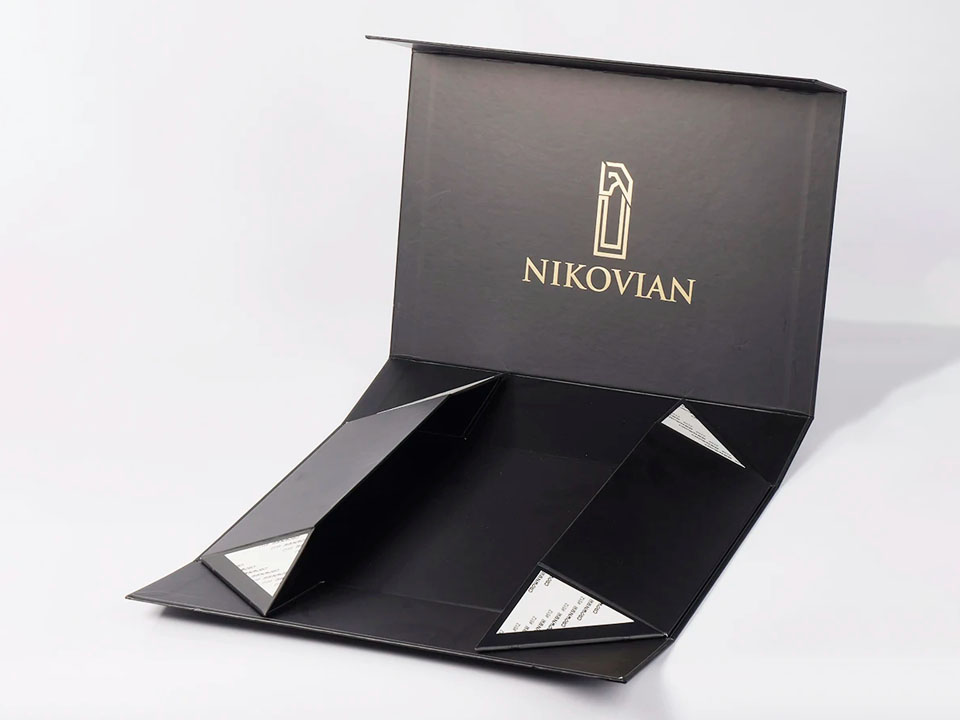
A rigid setup box has a body made of board that is often several times thicker than the paperboard used in a folding carton. Manufacturers typically cut and score the board, then glue it into a box shell and wrap it with decorative paper. A folding carton, by contrast, is printed on thin paperboard, die-cut, and shipped flat to be erected on the packing line.
Three practical differences follow:
Some suppliers sell collapsible rigid-style boxes as a middle path. These ship flat but use magnets or folding panels to deliver a premium look. We treat them as a separate decision further down, because they change the cost equation.
The table below compares the structures buyers most often shortlist. The descriptions are general industry conventions. Style names overlap between suppliers, so always confirm a structure against a dieline or sample.
| Style | How it opens | Typically suited to | Main buyer watch-out |
|---|---|---|---|
| Two-piece (lid and base) | Separate lid lifts off the base | Cosmetics, candles, apparel, gift sets | Lid-to-base fit and ease of removal |
| Shoulder neck | Lid lifts off a base with a raised inner neck | Perfume, skincare, jewelry, premium sets | Neck height and lid gap consistency |
| Magnetic closure | Lid or flap held by embedded magnets | Electronics, wearables, cosmetics, kits | Magnet alignment, insert fit, air-freight rules |
| Book-style | Hinged cover opens like a book | Kits, media packs, seasonal sets | Hinge wear and cover warp |
| Clamshell | Hinged lid opens in one motion | Display-led retail, accessories | Hinge position and insert layout |
| Double-door | Two panels open outward from the center | Luxury reveal sets | Panel alignment, complex insert |
| Drawer | Tray slides out of a sleeve | Stationery, electronics, apparel | Friction fit and sleeve tolerance |
| Folding / collapsible | Ships flat, folds into a box | Seasonal, e-commerce, high-volume | Assembly effort and perceived rigidity |
| Shaped (hexagon, octagon, heart, custom) | Varies by structure | Chocolate, limited editions, promotions | Tooling, hand-work, shipping efficiency |
Most buyers should evaluate lid-and-base construction first, because it is the lowest-complexity rigid format. A two-piece box pairs a separate lid with a base. It suits cosmetics, jewelry, candles and gift sets, and it takes fitted inserts well.
A lift-off lid box uses the same family of construction. Here the lid is designed to come away cleanly for retail gift sets. The main variable is lid depth. A shallow lid shows more of the base. A deep lid hides it and gives a more enclosed look.
A shoulder neck rigid box adds a raised neck to the base. It is popular for perfume, cosmetics and jewelry because it creates a layered reveal. The tradeoff is a tighter manufacturing tolerance. The neck, lid wall and wrap paper thickness must all line up, or the lid will bind or look uneven.
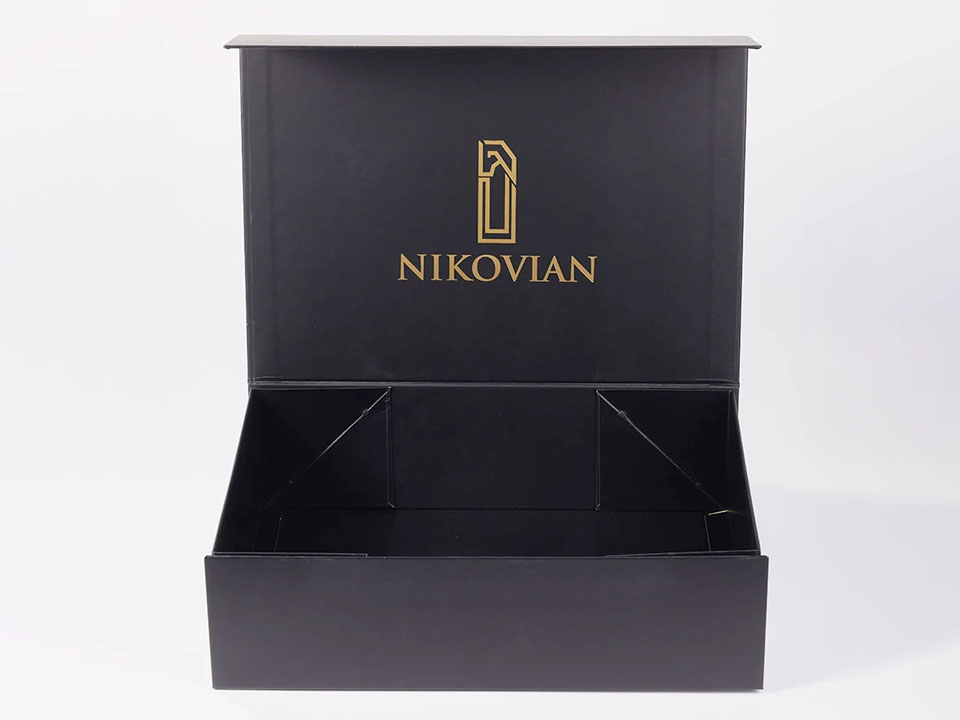
Hinged boxes keep the lid attached, so the opening becomes part of the experience. They also add parts that can fail.
A magnetic closure box uses embedded magnets to hold the lid or flap shut. The supplier’s own product range shows how widely this format is used. It covers perfume discovery sets, smart-ring boxes, skincare sets, membership-card boxes and dental kits, usually with foam or paperboard inserts. Specify the closure behavior as well as the style. Buyers should ask how the magnets are positioned and how consistent the closing feel is across a production run.
A book-style rigid box opens like a hardcover. The cover, spine and inner lid all become print surfaces, which suits kits and campaign packs. A clamshell rigid box is closely related. Suppliers and buyers use the two terms loosely, so confirm the hinge position and opening angle on a drawing.
A double-door rigid box is the most theatrical of the group. Two front panels typically open outward from the center and reveal the product. The visual payoff is high. So is the planning burden. The insert has to hold the product centered between the doors, and both panels must close evenly.
A paper drawer box combines a sleeve and a sliding tray. The sleeve protects the tray, which suits stationery, electronics, apparel and cosmetics. The key quality question is the sleeve fit. If the fit is too loose, the tray slides out unexpectedly in transit. If it is too tight, customers struggle to open it. Ask for a written fit tolerance and test it with the filled tray, not an empty one.
A folding gift box is built to collapse for storage and shipping. It often keeps premium features such as magnetic closures and printed finishes. Importers and distributors who manage warehouse space or seasonal demand often prefer it because it reduces volume before assembly.
Remember what you are trading. A collapsible box usually needs a short assembly step, and it may feel slightly less solid than a fully built setup box. If the product is heavy or fragile, or if the unboxing is the main selling point, a fixed setup box may justify its freight cost. If the box is a seasonal gift sleeve for a lightweight product, collapsible is often the smarter spend.
Shaped boxes turn packaging into a visible feature of the product. They also change manufacturing economics.
Compared with a rectangular box, a shaped box usually needs more custom tooling and more hand-forming. Material waste may rise, and packing into master cartons is less efficient. These are general manufacturing conditions rather than quotes. They explain why shaped boxes have a different MOQ and lead-time profile. Treat shape as a deliberate premium, and reserve it for products where it earns the cost.
Start from the product and the risk, then pick the structure. The table below links common priorities to the styles that usually answer them.
| Primary priority | Styles to shortlist | Reasoning |
|---|---|---|
| Lowest-complexity premium look | Two-piece, lift-off lid | Fewer moving parts than hinged formats |
| Layered reveal for fragrance or skincare | Shoulder neck | Raised neck creates visible depth |
| Reusable keepsake feel | Magnetic closure, book-style | Hinged lid stays attached and closes with feedback |
| Display-led retail presentation | Clamshell, double-door | Opening exposes product as a set piece |
| Easy access for flat items | Drawer | Tray slides out without lifting a lid |
| Freight and storage efficiency | Folding / collapsible | Ships flat, assembled by the customer or packer |
| Seasonal or campaign differentiation | Hexagon, octagon, heart, odd shaped | Silhouette itself becomes the message |
A supplier’s unit price is only part of the cost of a rigid box. Assembled boxes occupy full volume, so freight can carry as much weight in your budget as board and printing. Parcel carriers show the effect. UPS explains that UPS dimensional weight rules apply when a package is large relative to its weight, and it calculates the figure as length times width times height divided by a divisor.
I need to correct the sentence above before publishing: the clean version follows.
The UPS dimensional weight guidance says carriers apply dimensional weight when a package is large relative to its weight. It calculates the figure as length times width times height divided by a divisor, and it lists 139 for daily rates and 166 for retail rates. The page does not state a publication date.
Here is an illustrative calculation, not a quote. A hypothetical master carton measures 24 × 18 × 16 inches, which is 6,912 cubic inches. At a divisor of 139, the dimensional weight is about 50 lb. At 166, it is about 42 lb. If the cartons hold light, assembled gift boxes, you pay for that volume even if the carton weighs far less. Collapsible boxes pack more units into the same carton, which is why they often win on landed cost.
Magnets add a separate check for air freight. The USPS guidance on magnetized materials says they are not regulated as hazardous material unless transported by air, and then only when the field strength could deflect aircraft instruments. That rule is stated in terms of field strength, not the mere presence of a magnet. Ask your forwarder whether the packed carton needs measurement before you commit to an air shipment. The USPS page does not state a publication date.
Board and wrap decide how the box feels. The supplier pages reviewed list wrapping options including art paper, kraft paper, specialty stocks and textured coverings, over greyboard or similar rigid board. Surface treatments include CMYK and Pantone printing, foil stamping, embossing, debossing, spot UV, and matte, gloss or soft-touch laminate.
Inserts deserve as much attention as the shell. Foam, paperboard and molded trays hold the product centered and take the impact, so a box with a loose insert can fail even when the shell is perfect. For sustainability claims, the supplier pages mention recycled paper, FSC paper and kraft-based wraps as options. Ask which certification applies to your specific order, and confirm any claim in writing. Mixed materials such as foam and magnets also change how easy the box is to recycle.
This is an illustrative example, not a documented customer case. A skincare brand approves a magnetic-lid sample with an empty insert. In bulk production, the insert is cut slightly thicker to hold a 100 ml bottle firmly, and the lid no longer latches flat. The lid lifts at one corner, the magnets can’t hold, and shelf appearance suffers.
The fix is procedural. Approve the sample with the real product inside. Check the closed lid after the box has been packed in a master carton and moved. Agree in writing on an acceptable range for lid-to-base fit before mass production.
A complete request prevents most quoting delays. Prepare the following:
Share artwork or a dieline if you have one. If you don’t, ask the supplier to provide a dieline and a sample, and request a prototype before committing to production.
A rigid setup box is built at the factory from thick wrapped board and ships assembled. A folding carton is printed on thin paperboard and ships flat for assembly at the packing line. Setup boxes cost more and ship bulkier.
Magnetic, shoulder neck and two-piece boxes are common gift choices. Magnetic boxes give a reusable keepsake feel, shoulder neck boxes create a layered reveal, and two-piece boxes offer the simplest structure. Product and budget decide the best fit.
Not strictly. Setup boxes arrive fully built, while collapsible boxes ship flat and fold into shape. Collapsible boxes cut freight volume and storage space, but they need a short assembly step and may feel less solid.
Usually only for air freight. USPS says magnetized materials are regulated as hazardous only when transported by air and strong enough to affect aircraft instruments. Ask your forwarder whether your packed carton needs measuring.
Both use a hinged lid. Suppliers often use the terms interchangeably, so compare dielines, not names. Check the hinge position, how far the lid opens, and where the insert holds the product.
Shaped boxes typically need custom tooling, more hand-forming and less efficient carton packing. Material waste can also rise. The cost depends on the shape, size, finishing and quantity, so request a quote with a sample.
Provide product dimensions and weight, preferred structure, board and wrap material, print and finish list, insert type, quantity, shipping destination and sample requirements. A dieline or artwork speeds up quoting.
Comments