Let Our Packaging Experts Review Your Project
Share your packaging requirements before you leave. Our experts can review your dieline, artwork, materials, inserts, finishing, certifications, MOQ, quality checks, and delivery expectations.
Share your packaging requirements before you leave. Our experts can review your dieline, artwork, materials, inserts, finishing, certifications, MOQ, quality checks, and delivery expectations.


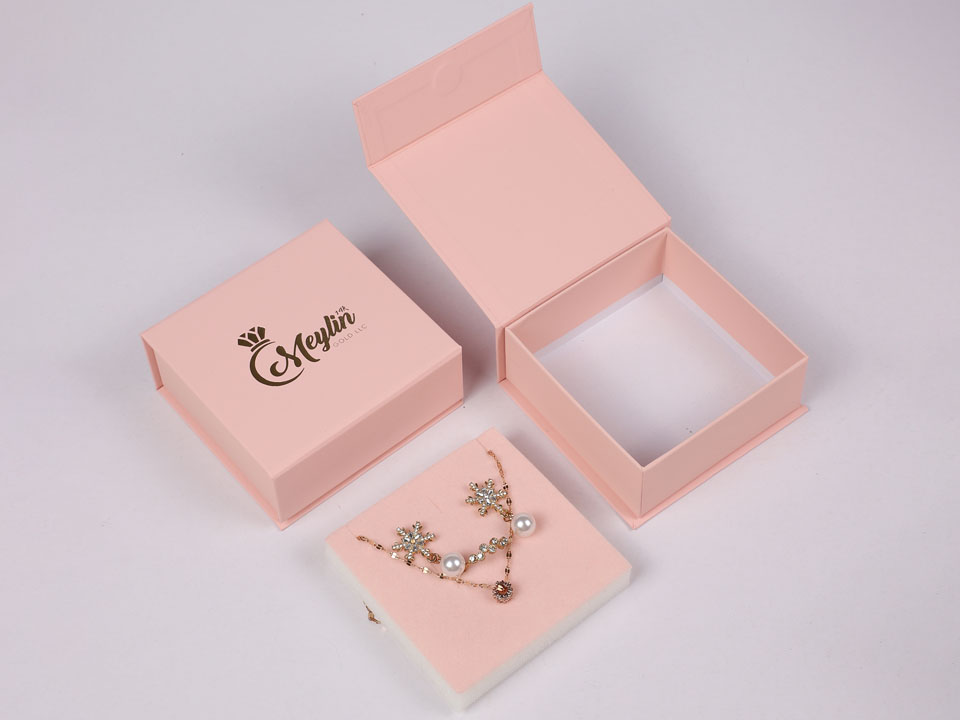
Custom Jewelry Boxes are presentation and protective packaging developed around the jewelry piece, brand identity, sales channel, and required customer experience. Jewelry brands, retailers, jewelers, designers, and procurement teams can specify the box style, dimensions, material, insert, color, logo placement, and decorative finish to create packaging suited to rings, earrings, necklaces, bracelets, watches, and coordinated jewelry sets.
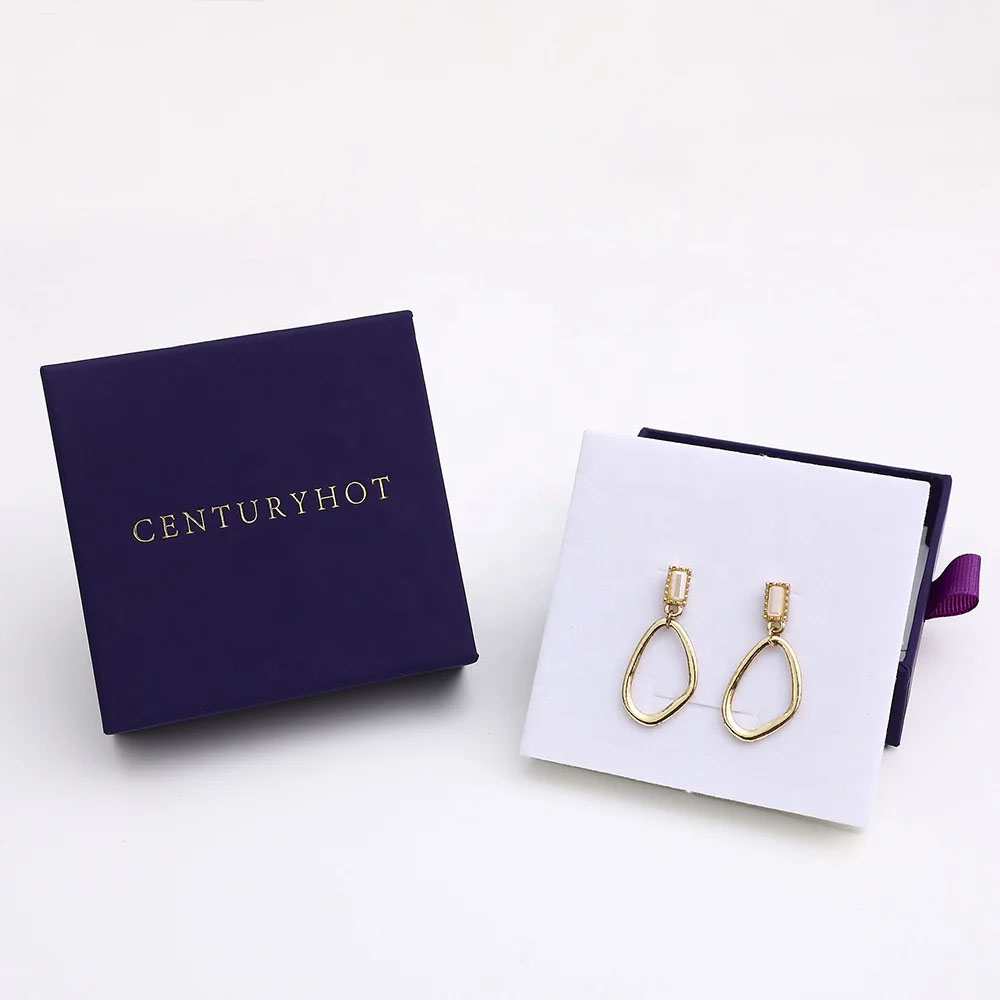
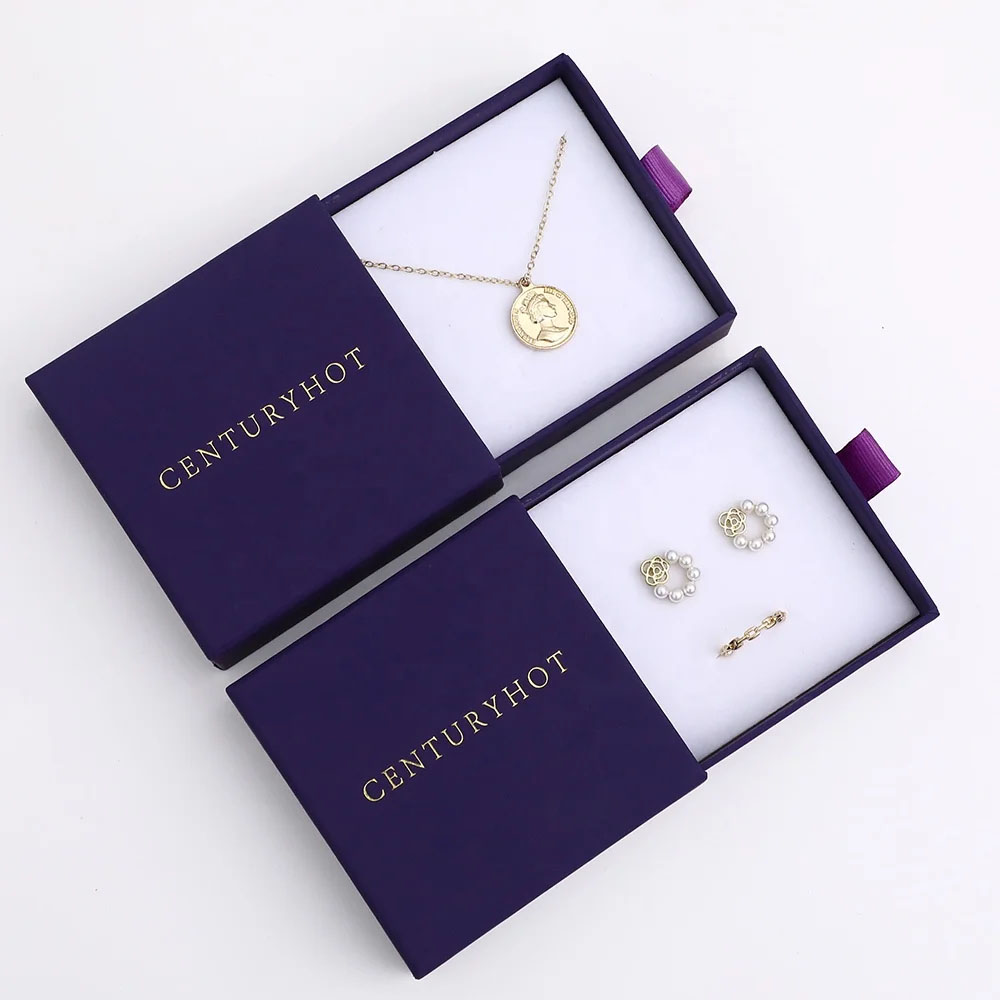
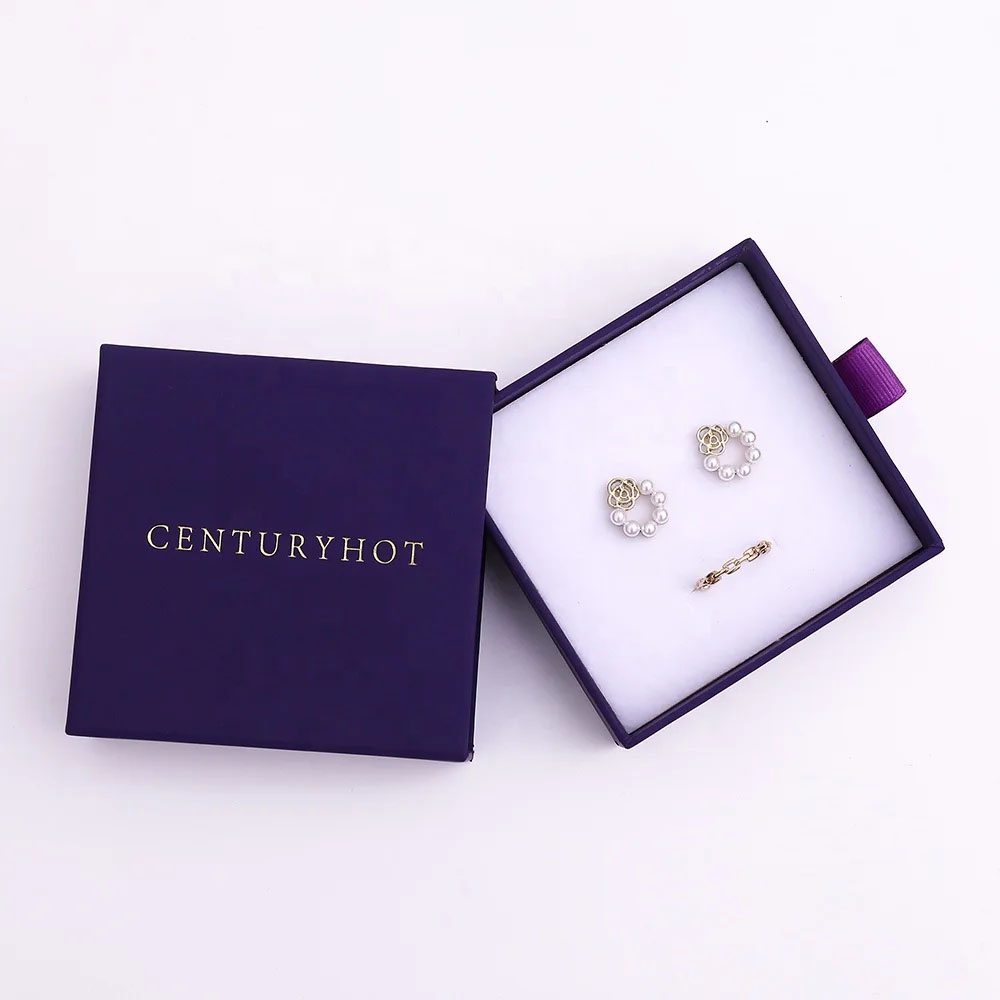
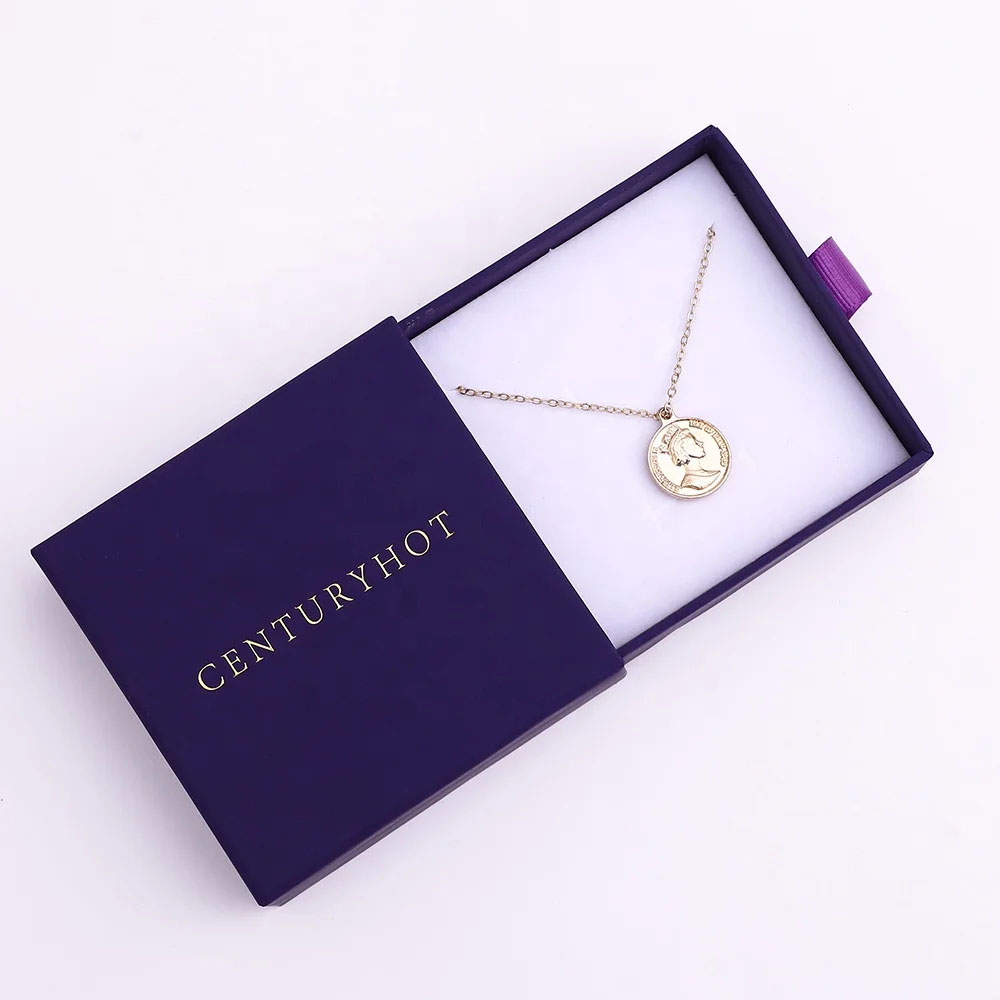
Custom Jewelry Boxes are packaging developed around specific jewelry dimensions, presentation requirements, branding, and commercial applications rather than relying only on generic storage boxes. The specification can consider the jewelry type, required inside dimensions, packaging structure, insert layout, exterior appearance, and retail or e-commerce use.
For jewelry brands and retailers, custom jewelry packaging can also create consistency between the product, store identity, website presentation, gift packaging, and other branded packaging.
A commercial jewelry box specification typically considers:
Unlike a general jewelry storage box designed for personal organization, commercial packaging is usually specified for individual jewelry pieces, product collections, retail jewelry programs, or branded customer orders.
The right jewelry box should fit both the jewelry and the intended presentation. Dimensions, product orientation, opening method, insert design, and available display area can all influence the most appropriate box style.
Compact boxes are commonly considered for a ring or earring pair because the product requires relatively little interior space. A necklace often needs a wider interior and an insert that keeps the chain positioned correctly. Bracelet packaging may require a longer or deeper format, while watch boxes generally need more internal clearance and structured support.
For jewelry sets, buyers may require multiple compartments or one fitted insert that presents several jewelry pieces together.
Structures that buyers can evaluate include:
Box style should ultimately follow product dimensions, presentation direction, storage requirements, and the way customers interact with the package.
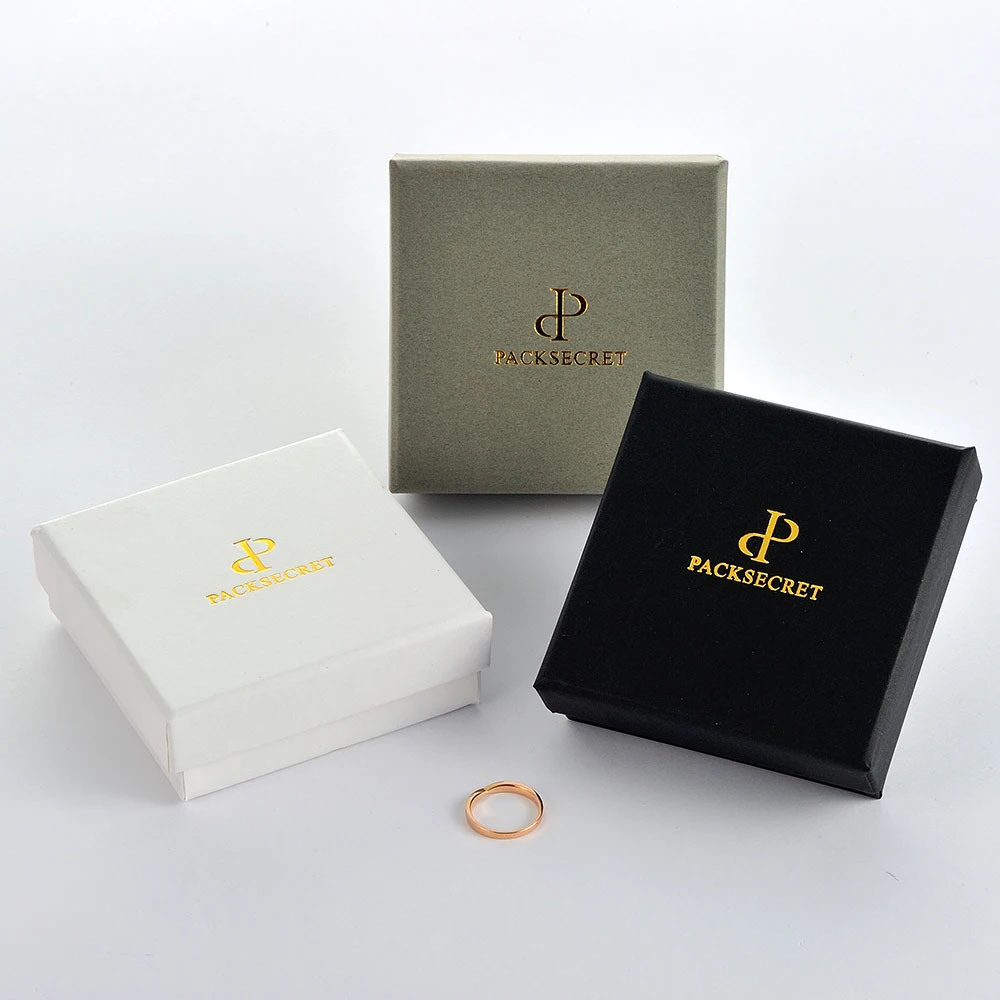
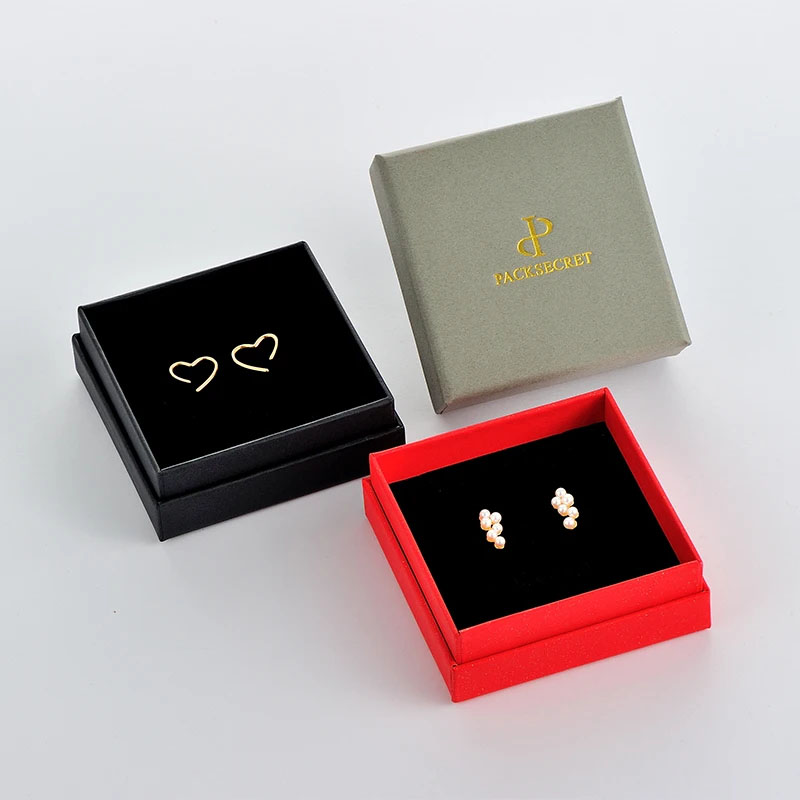
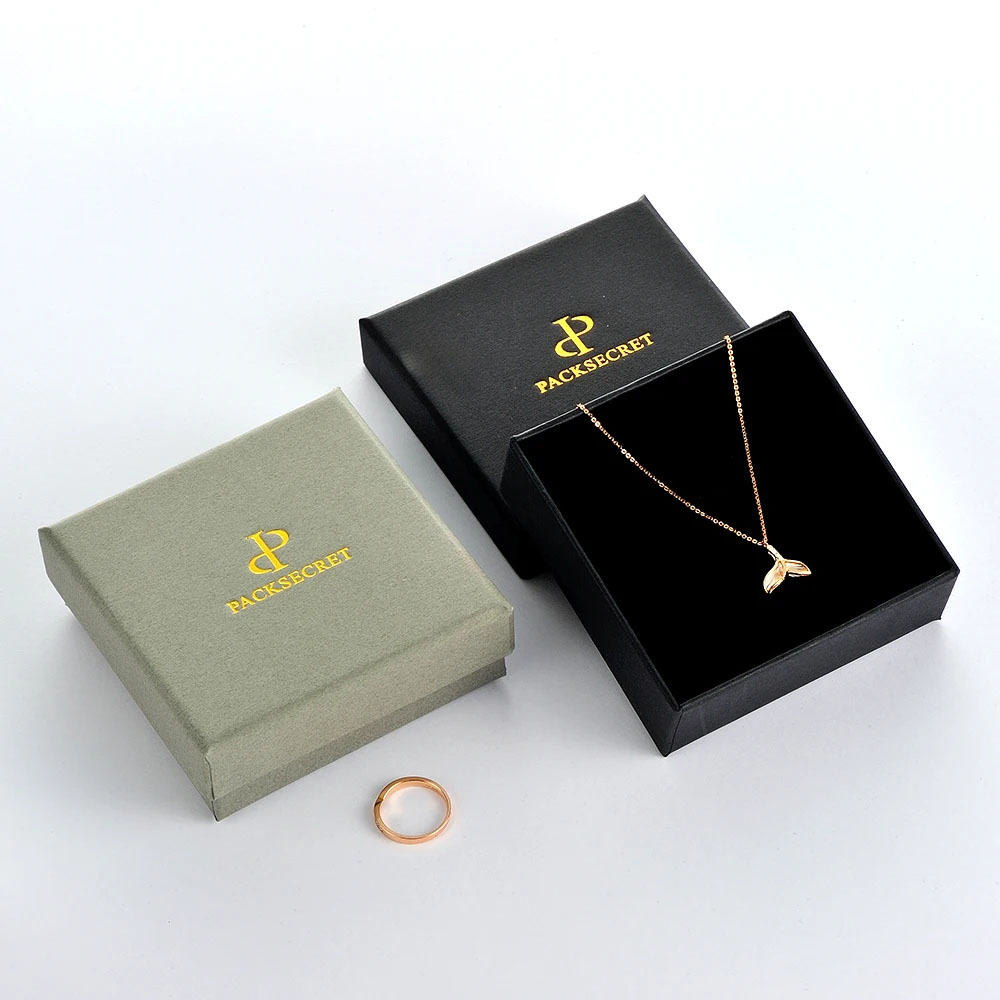
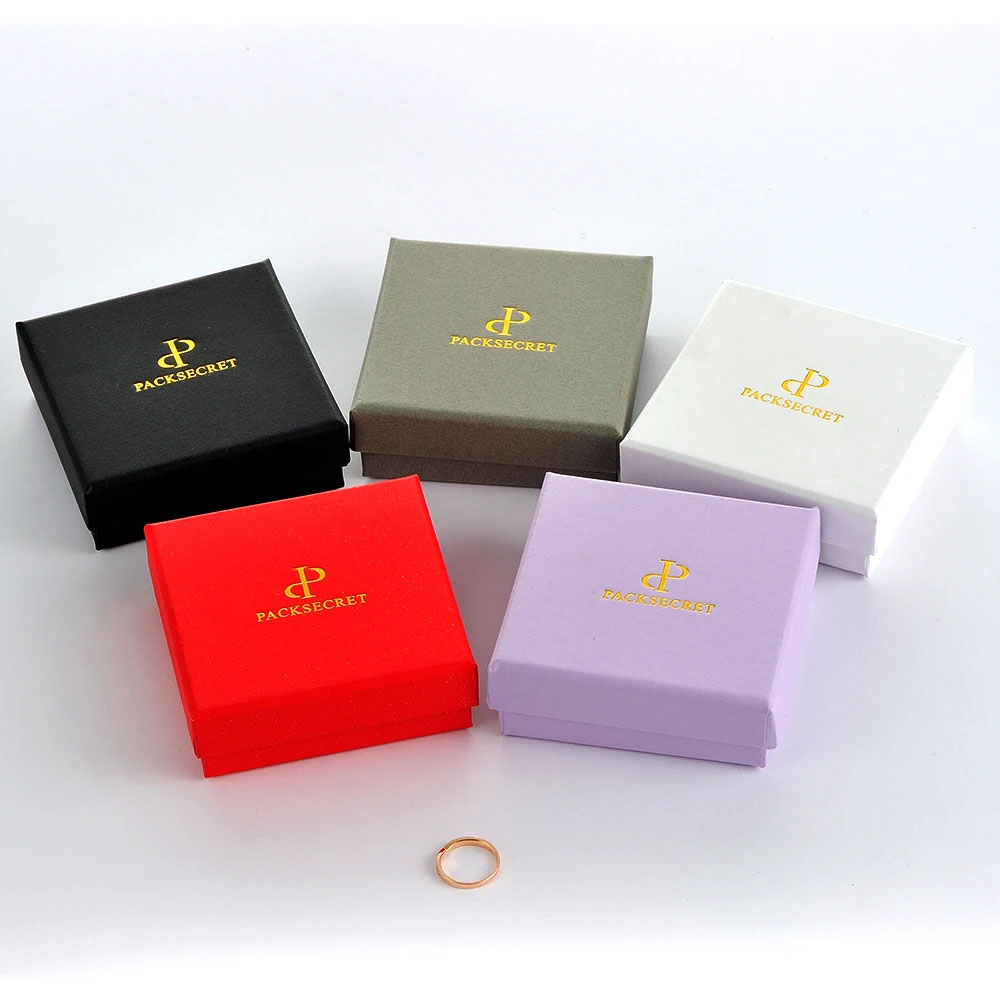
Material selection affects structure, appearance, surface texture, and how the jewelry is presented inside the package. Buyers should evaluate exterior construction and interior components as one packaging system rather than choosing them independently.
Depending on the packaging concept, materials worth comparing may include paperboard, rigid board, specialty paper, fabric-style surfaces, leatherette, and other decorative wraps. Premium materials may be appropriate where tactile appearance and presentation are important, but material choice should still reflect product positioning, handling, and project requirements.
The insert is equally important. Options to evaluate can include:
A correctly planned insert helps hold jewelry pieces in position, separates components, supports presentation, and can help protect the jewelry inside during normal handling.
Specifications such as paper gsm are relevant to some papers and wraps, but gsm describes material mass per unit area rather than overall box strength. Structural performance should therefore be evaluated using the complete material and box construction.
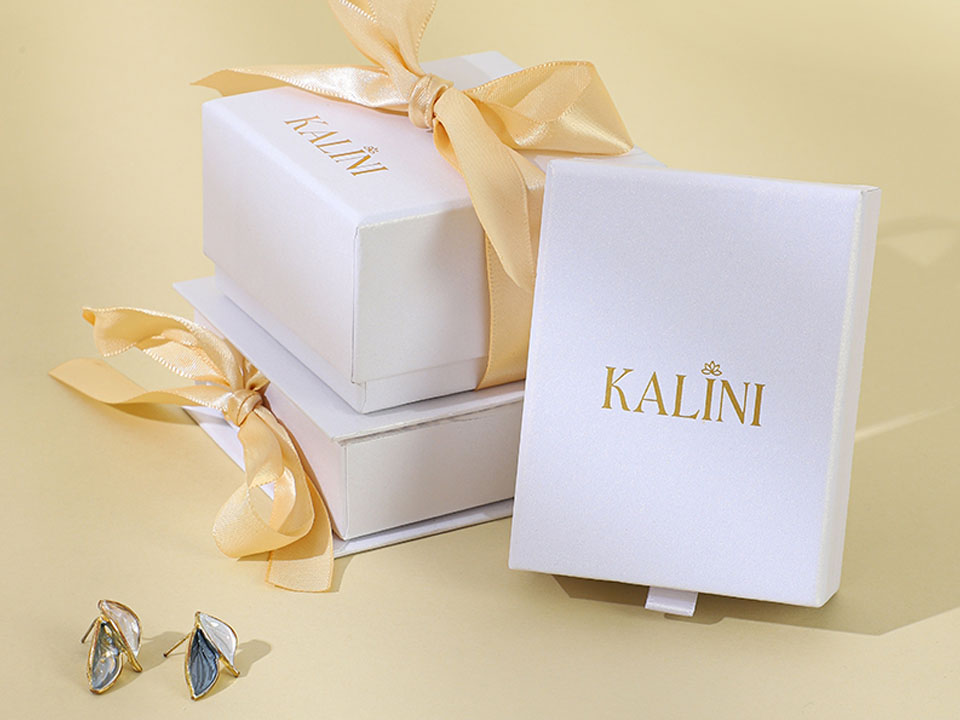
Brand decoration turns a standard-looking package into packaging identified with a specific jewelry business or collection. Custom Jewelry Boxes with logo applications can coordinate the package with brand colors, typography, artwork, and other retail materials.
Possible decoration methods to evaluate include custom printing, full-color graphics, foil applications, emboss, debossing, and exterior or interior branding.
For jewelry boxes with your logo, the appropriate printing option depends on several variables:
A small foil logo can create a different presentation from a large full-color graphic, while emboss or debossing introduces a physical surface detail rather than relying only on printed color.
Buyers planning custom jewelry boxes with logo decoration should provide suitable artwork and identify preferred logo placement early in the quotation process.
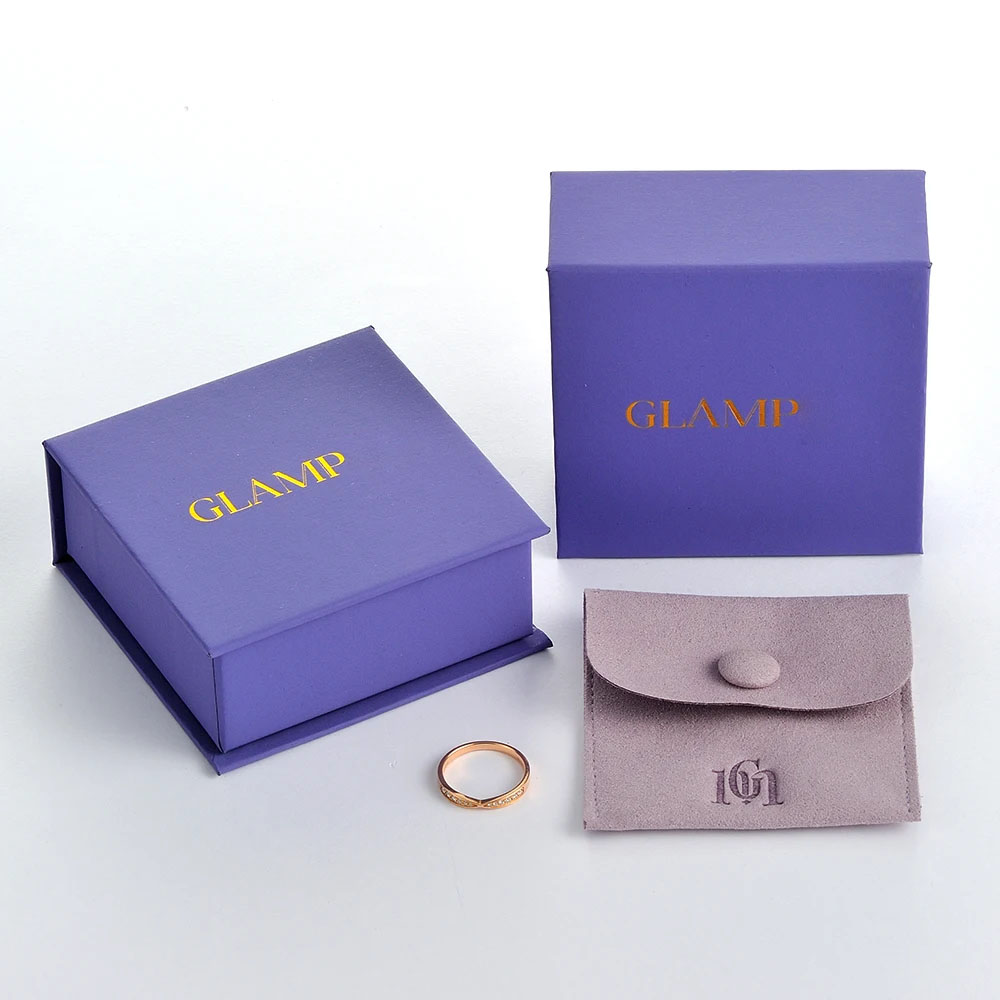
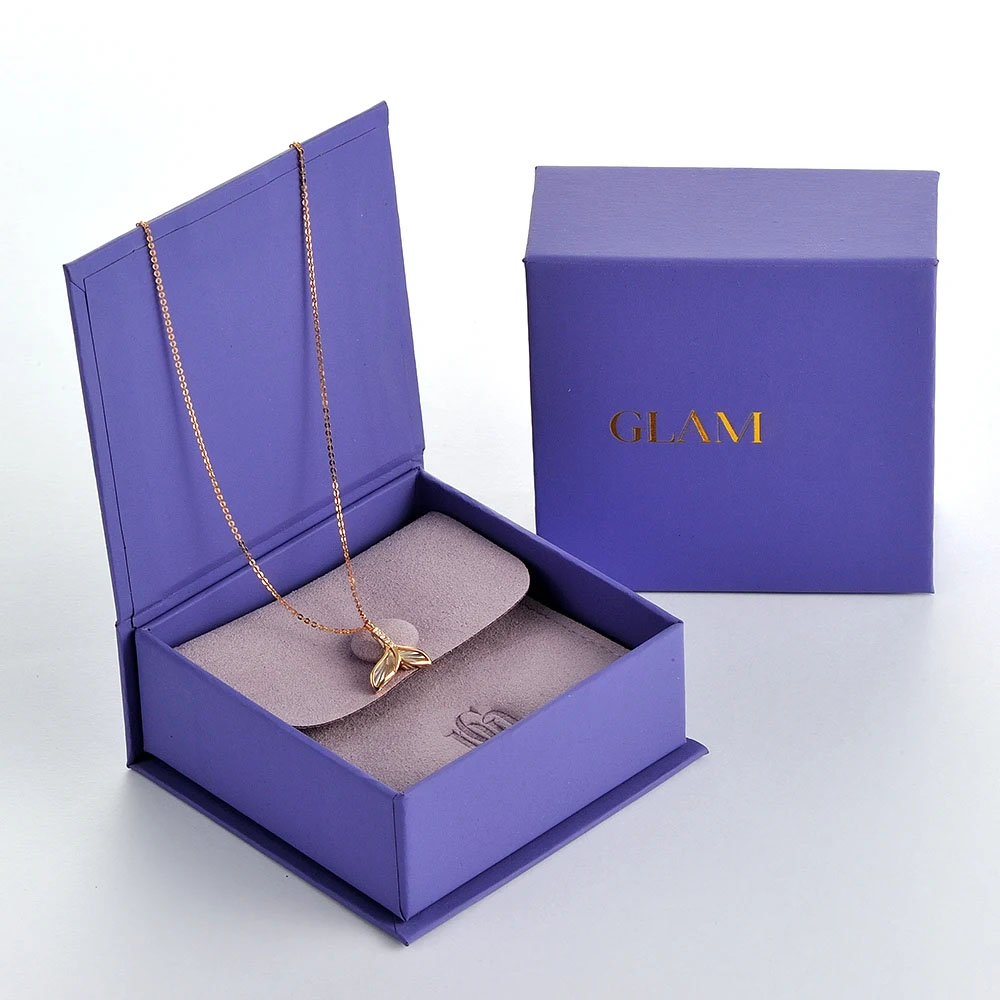
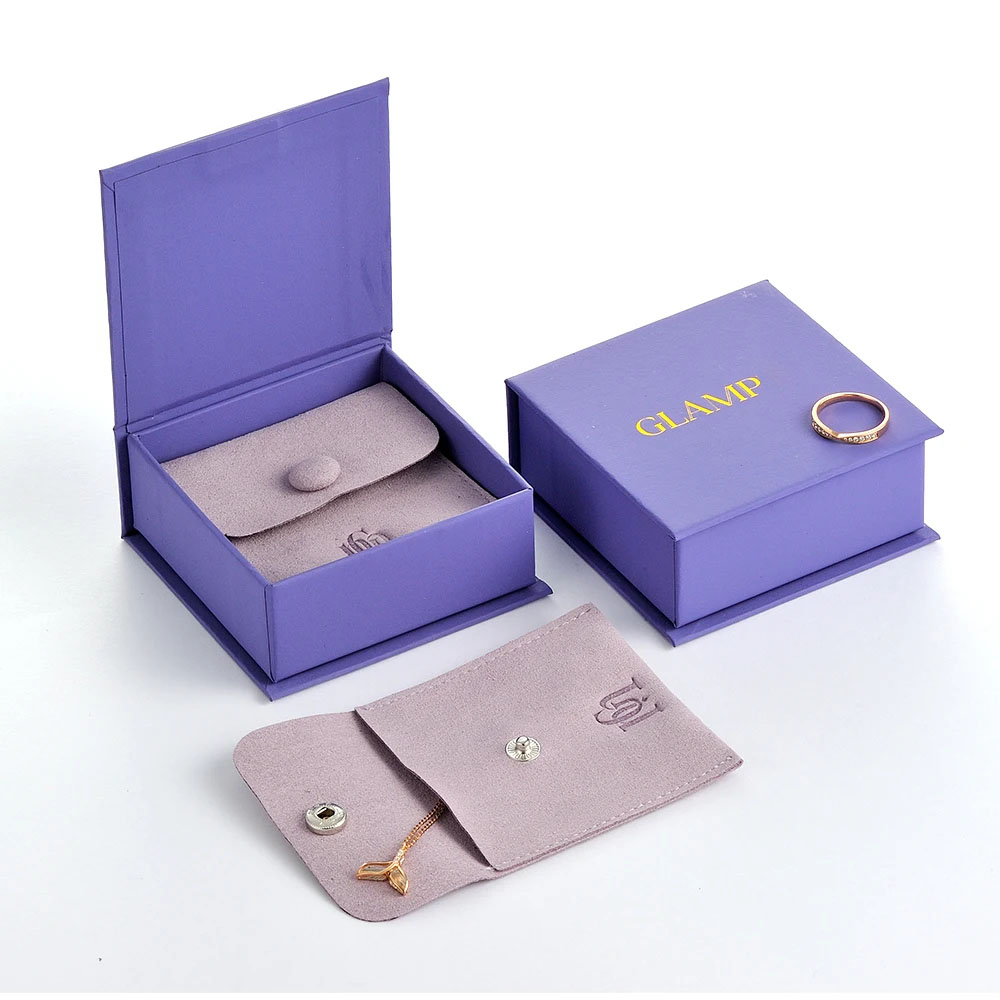
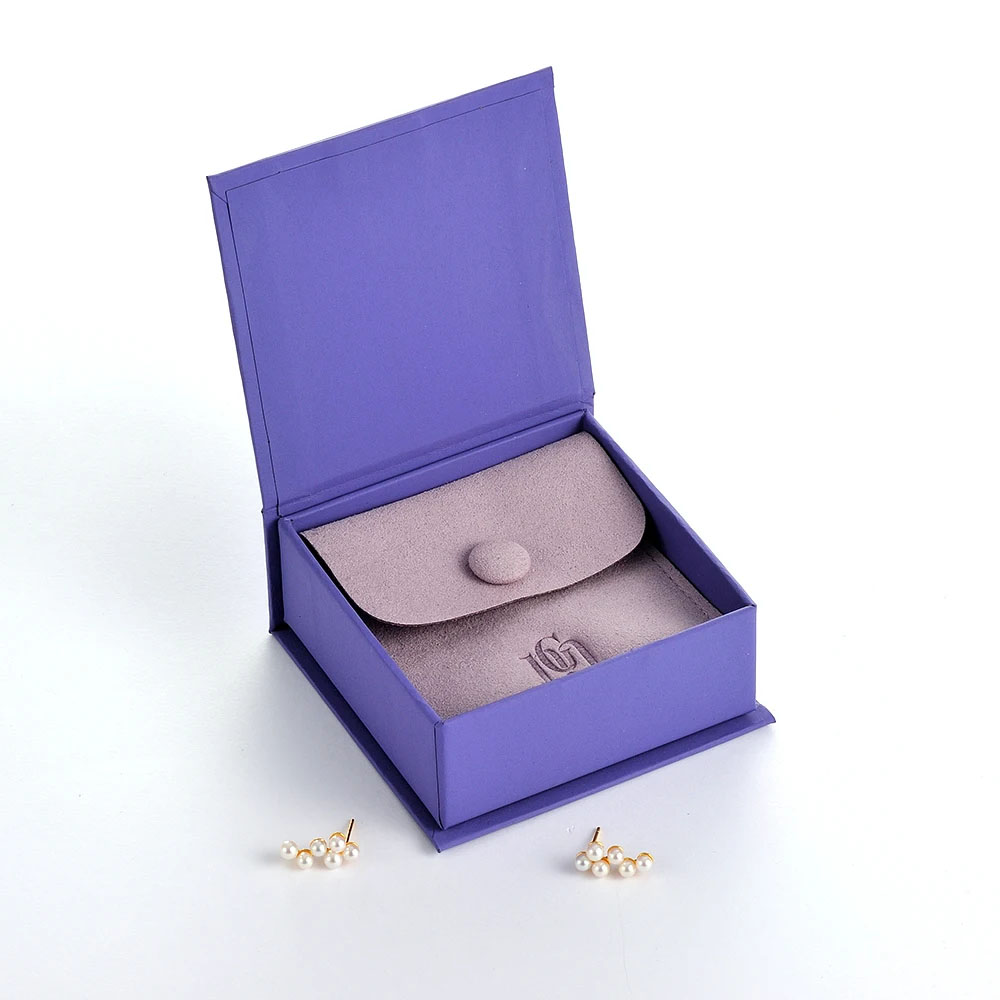
Match your product to its packaging by evaluating the jewelry category, dimensions, positioning, brand identity, sales environment, and required opening experience together.
Premium jewelry or luxury jewelry does not automatically require the largest or most elaborate box. The right jewelry packaging should support the way the product is positioned without creating unnecessary size, decoration, or complexity.
For example, buyers can evaluate:
The box, insert, material, and finish should also reflect the intended perceived value. A minimalist jewelry brand may prioritize clean surfaces and restrained branding, while another collection may require stronger color contrast or decorative finishes.
The objective is packaging consistency across the product, brand identity, retail environment, customer experience, and relevant sales channels—not simply making the package appear more expensive.
Wholesale jewelry boxes and bulk jewelry boxes require different planning from a single packaging prototype. Order quantity can influence the appropriate production approach, quotation structure, inventory commitment, packaging consistency, and reorder strategy.
Before placing bulk orders, procurement teams should review:
Buyers searching for jewelry boxes wholesale should also confirm the minimum order requirements for the selected structure, dimensions, material, insert, and finishing specification.
A minimum order should not be assumed from general market examples. Requirements can vary significantly by packaging configuration and supplier. Quantities such as 100 boxes or 1000 boxes should therefore be treated as project variables until the exact specification and quotation are confirmed.
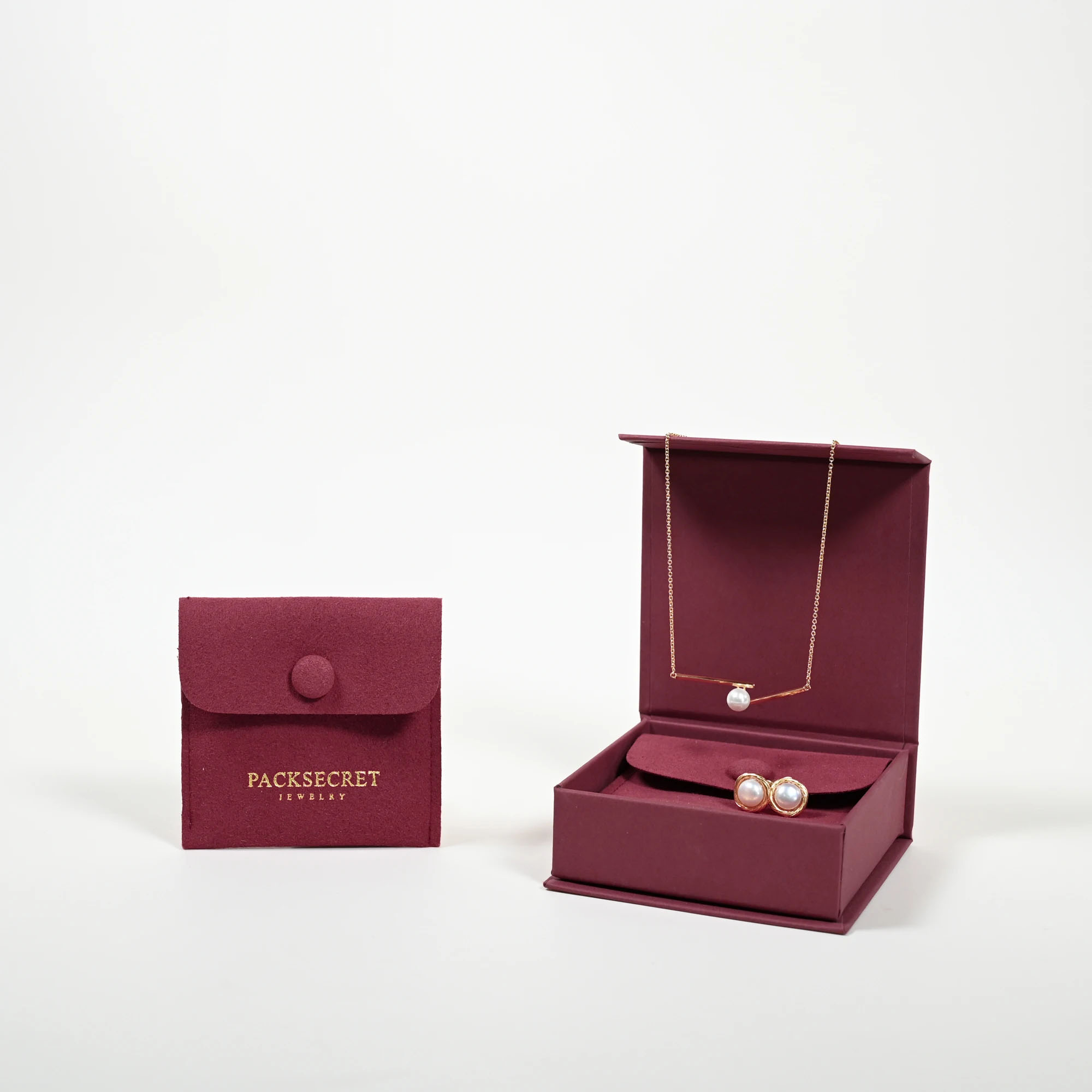
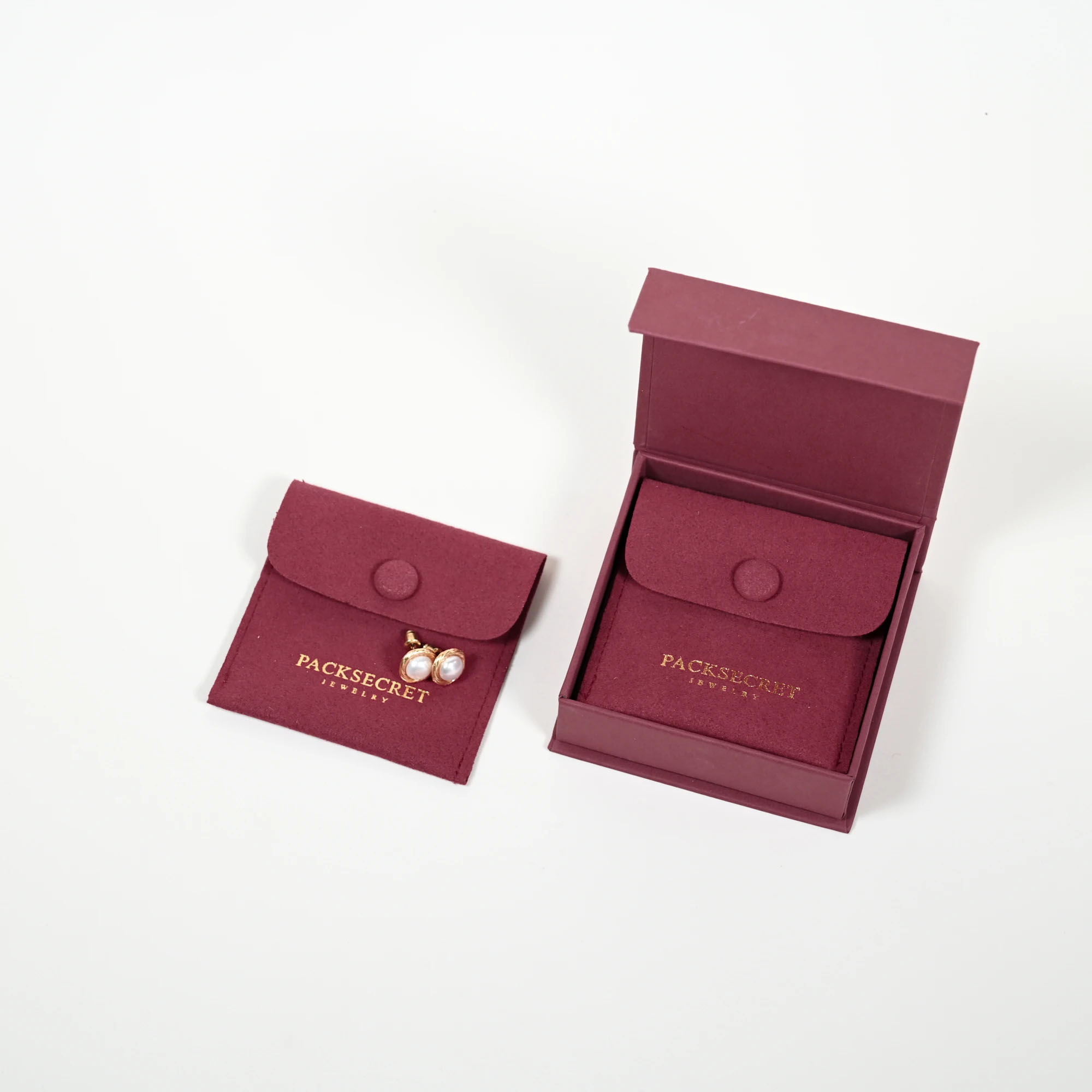
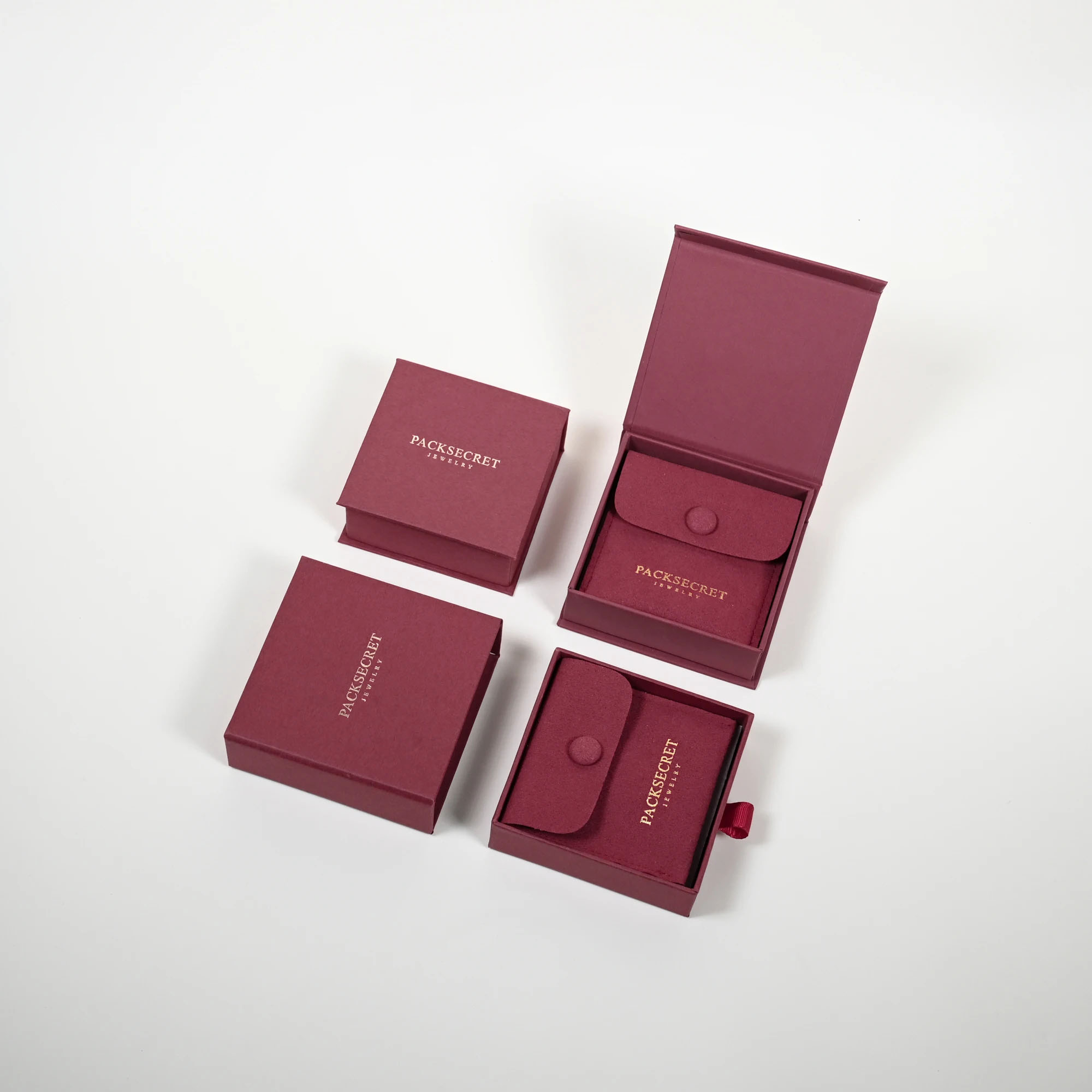
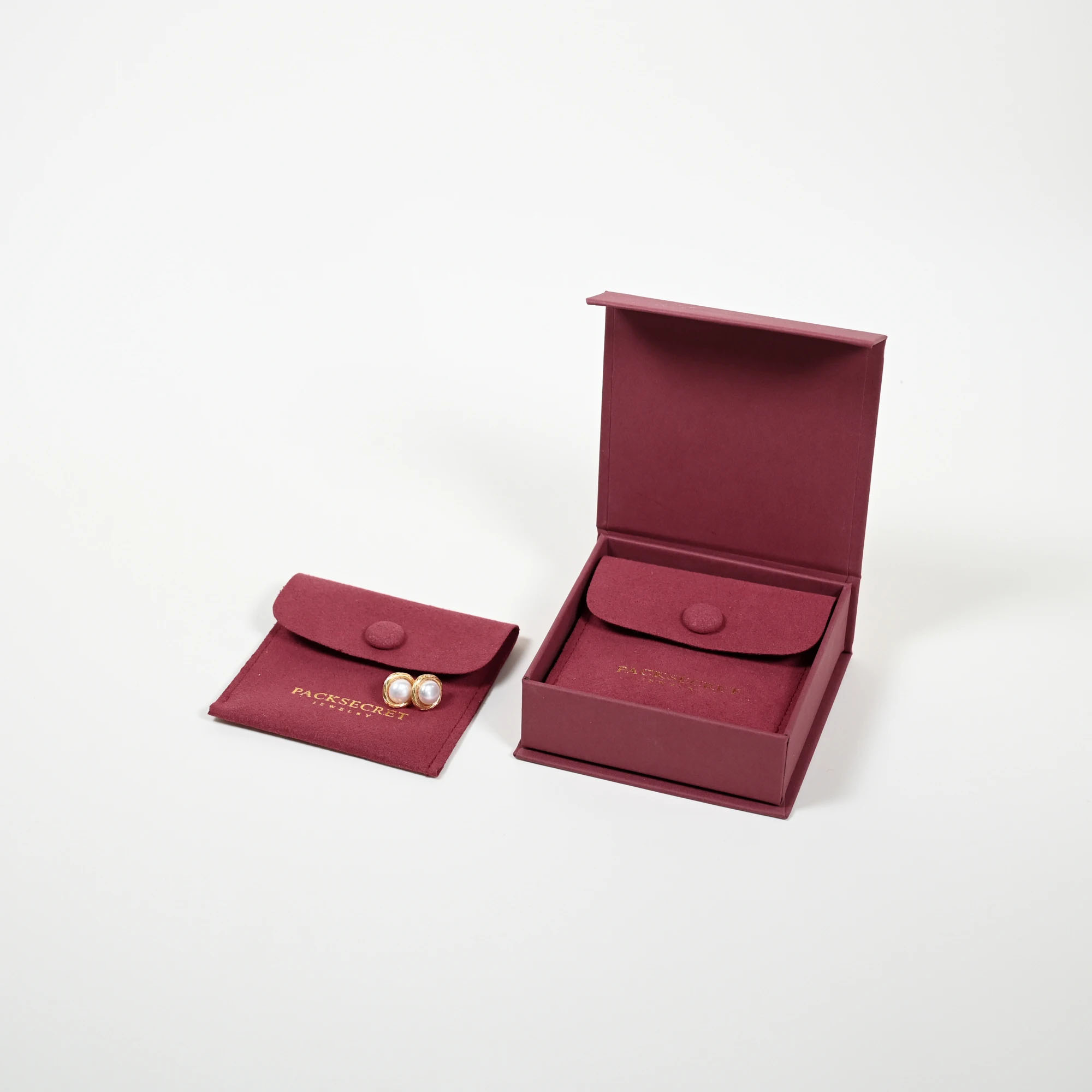
Custom jewelry packaging should also be selected according to where and how the product is sold.
For retail stores and boutiques, shelf presentation, counter display, compact storage, staff handling, and consistency across jewelry collections may be important. Jewelry retailers may also want multiple box sizes to share a recognizable visual system.
For e-commerce, buyers should consider how the presentation box interacts with outer shipping packaging, internal movement, product protection, and the unboxing experience. A retail presentation box and a transport package perform different functions and may need to be planned together.
For gift presentation, opening sequence, interior presentation, coordinated packaging, and gift-ready appearance can become more important.
Product launches, limited collections, and branded gifting programs may have additional artwork or presentation requirements. The appropriate configuration depends on the sales channel and the experience the packaging needs to support.
A useful supplier evaluation should focus on whether the packaging specification can be translated accurately into a practical quotation and production-ready project.
Before requesting pricing, prepare as much of the following information as possible:
Explore relevant Custom Jewelry Boxes, structures, and packaging configurations for different jewelry types, presentation requirements, branding concepts, and commercial applications.
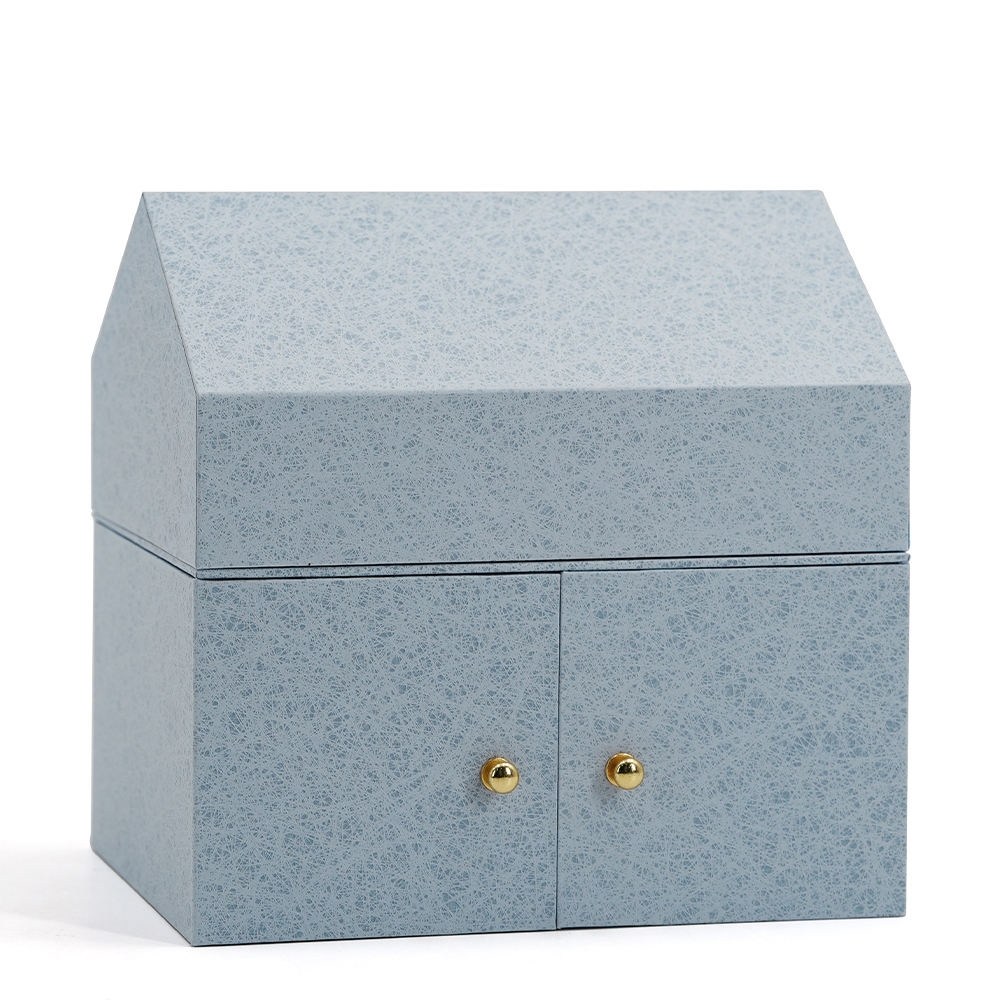
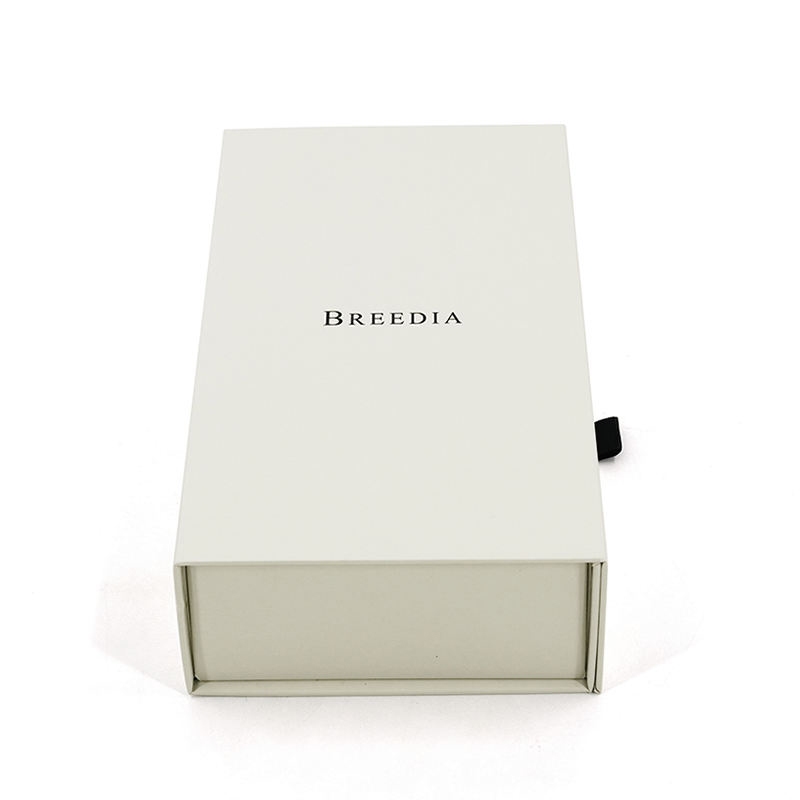
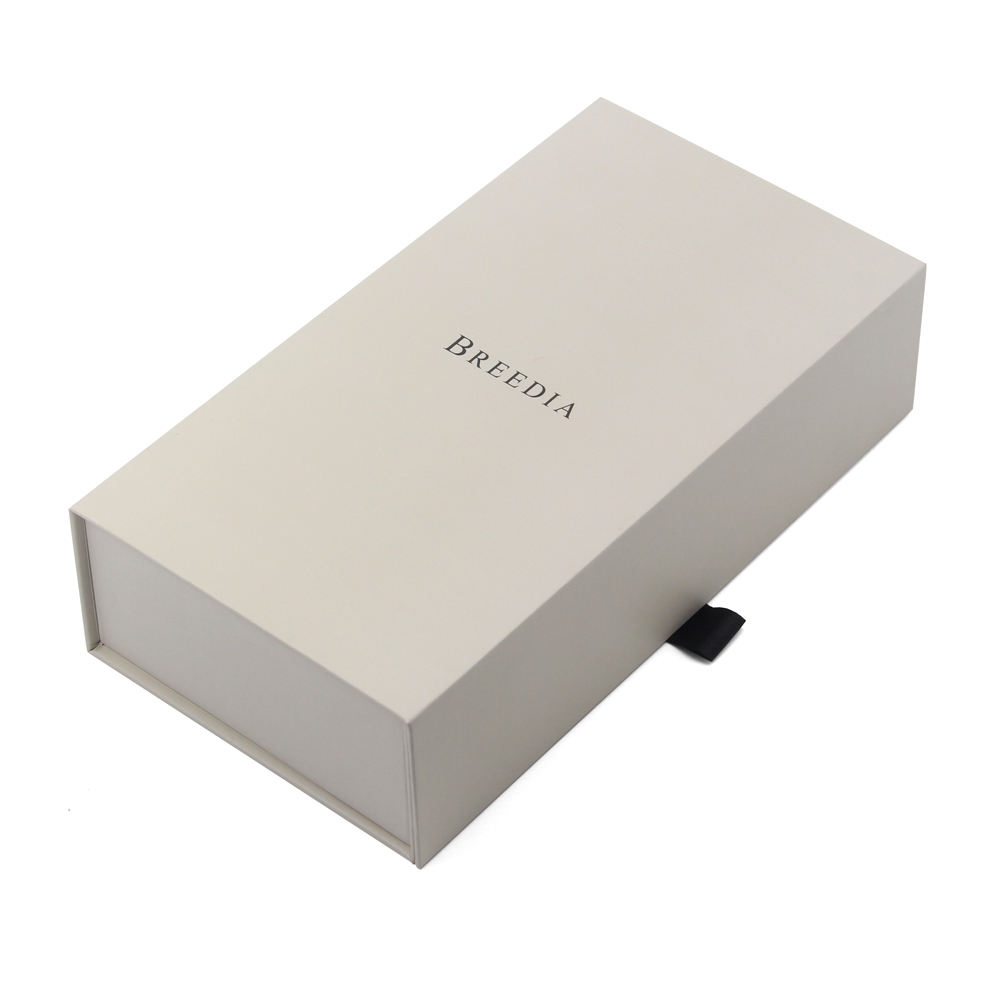
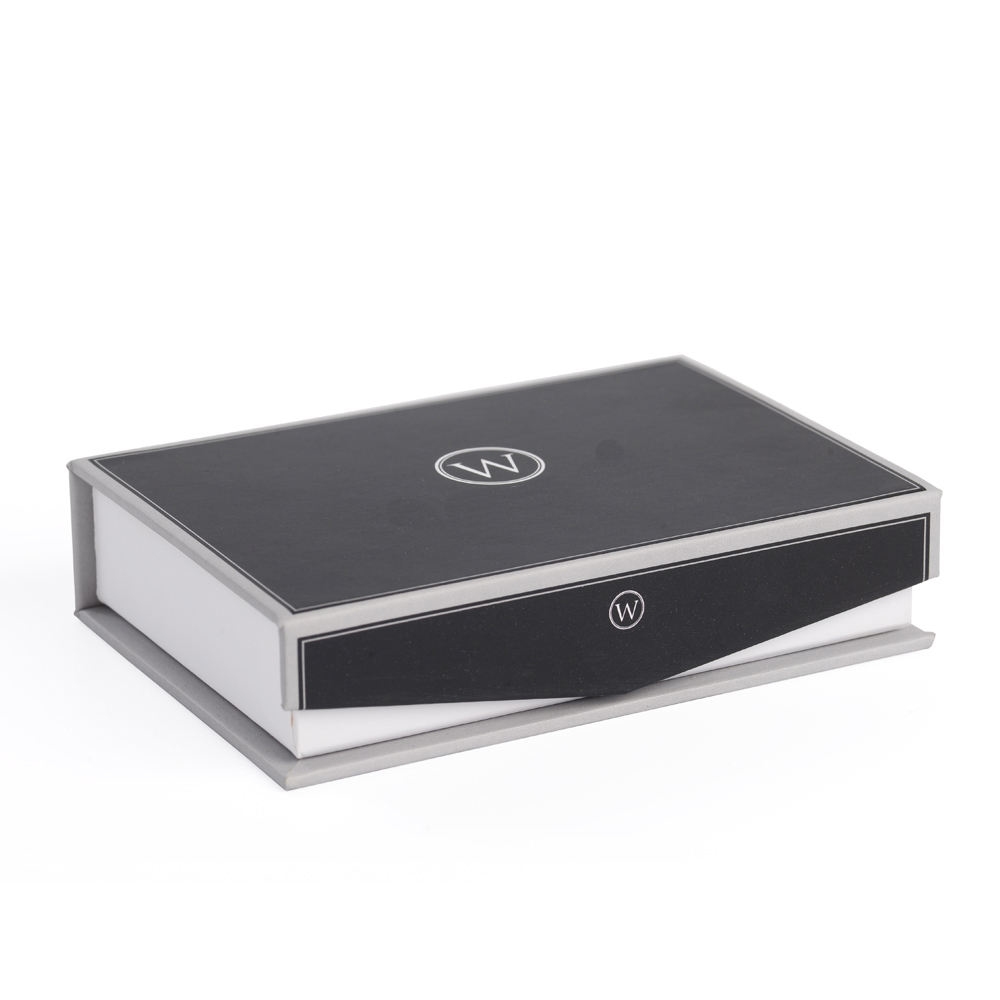
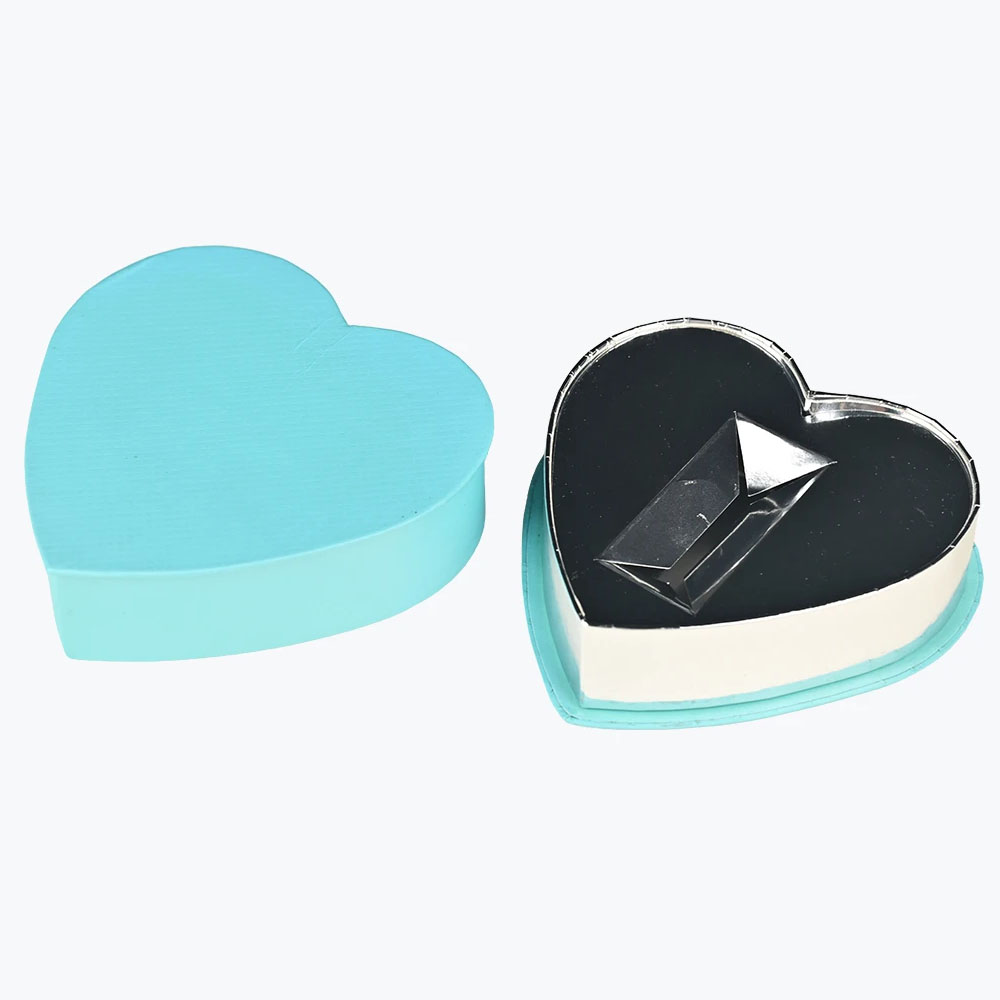
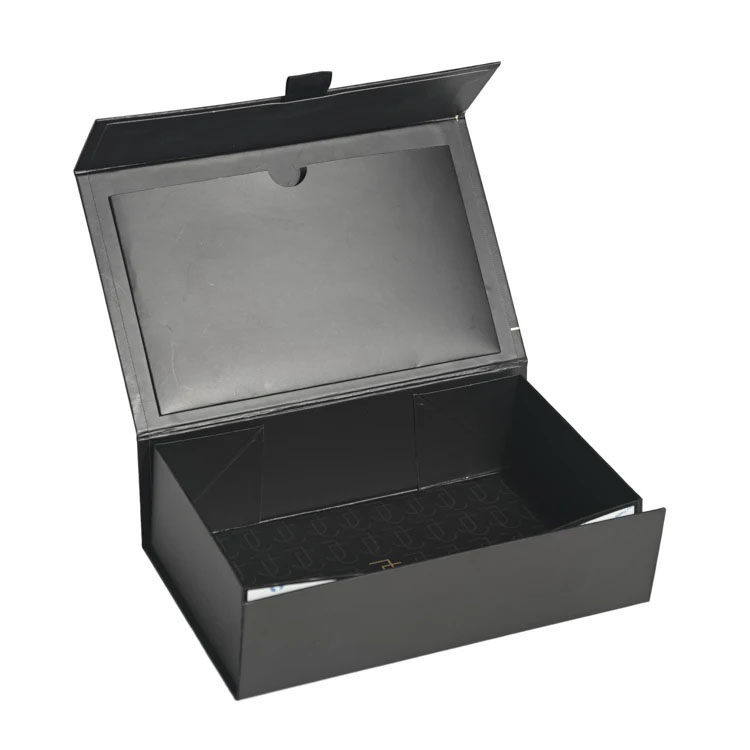
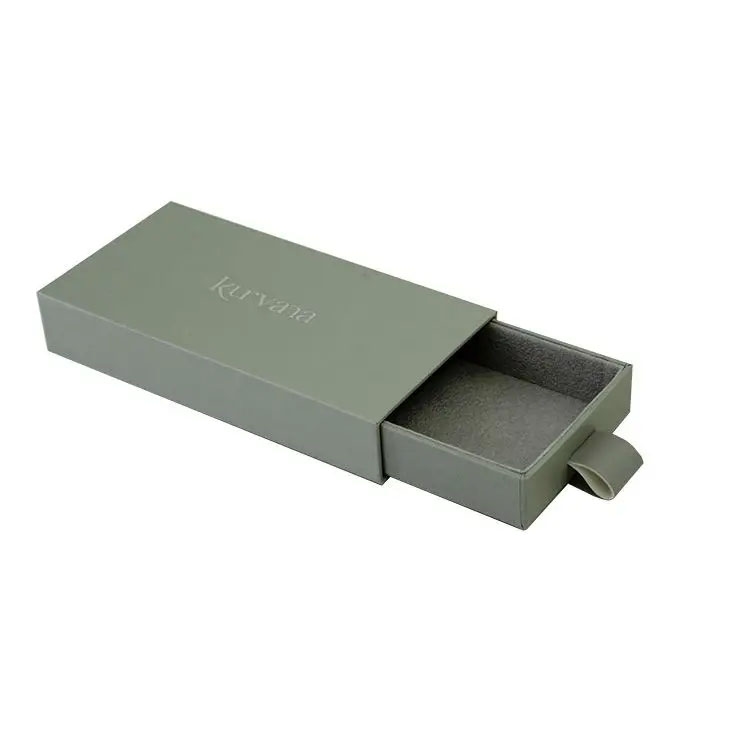
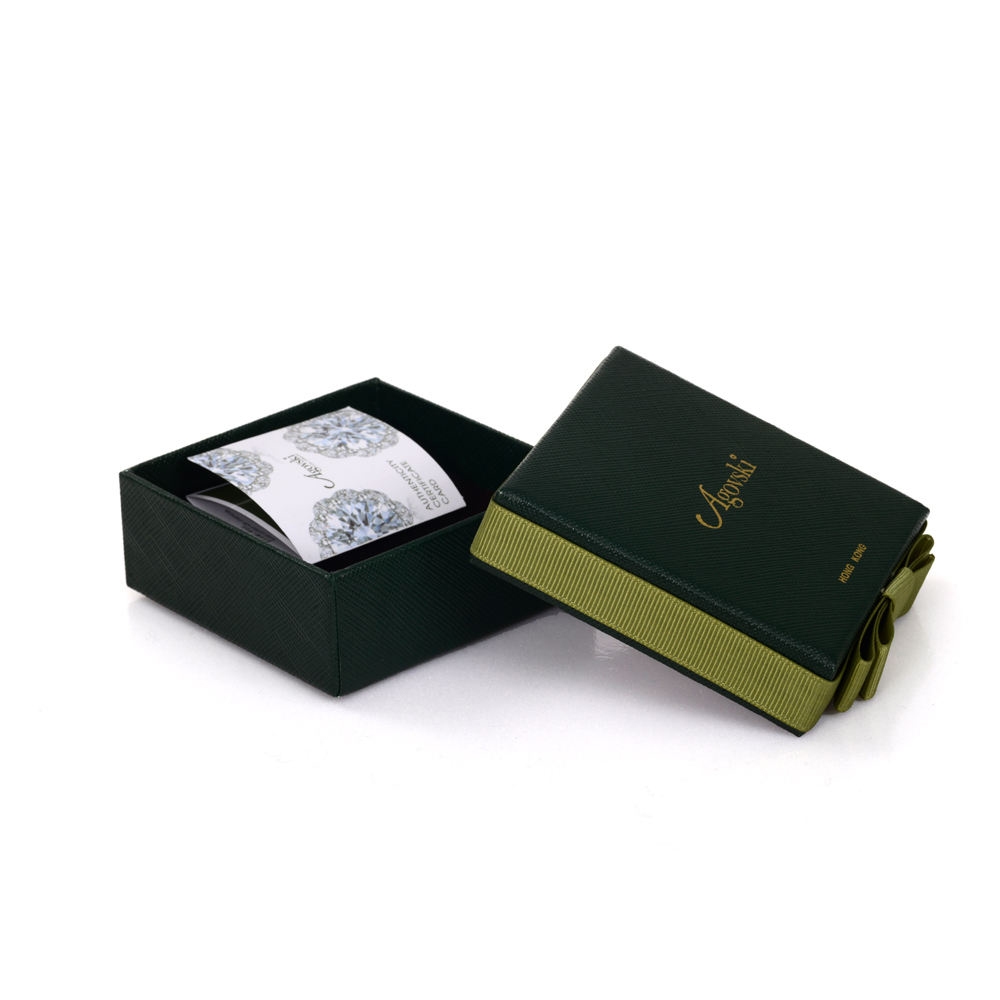
Explore related resources covering jewelry packaging design, materials, customization, sourcing decisions, inserts, branding, wholesale purchasing, and packaging specification planning.
Turn your jewelry packaging requirements into a project-ready specification. Share your jewelry type, box dimensions, preferred structure, insert requirements, logo artwork, colors, finishes, and estimated order quantity so the packaging can be evaluated around your product and brand presentation.
Whether you are packaging rings, earrings, necklaces, bracelets, watches, or coordinated jewelry sets, a clear project brief helps determine the appropriate box structure, interior layout, branding method, and quotation.