Let Our Packaging Experts Review Your Project
Share your packaging requirements before you leave. Our experts can review your dieline, artwork, materials, inserts, finishing, certifications, MOQ, quality checks, and delivery expectations.

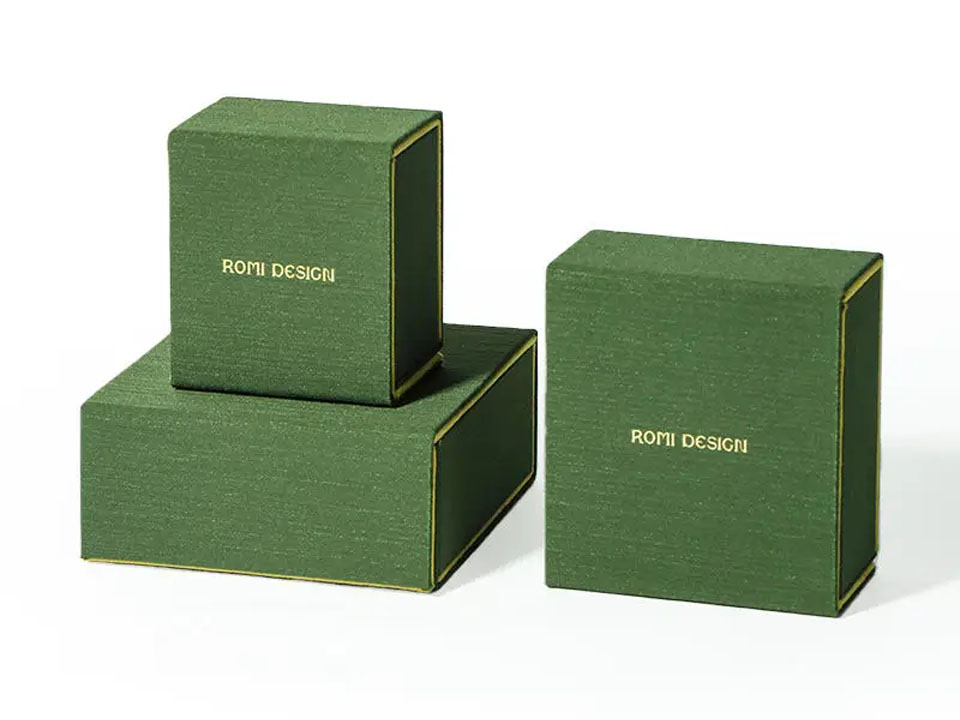
Buyers sourcing gift box packaging in 2024 and beyond face a harder problem than finding a supplier who says “sustainable” on their homepage. The real work is verification: does the paperboard trace back to a certified forest, does the ink formulation actually allow the box to be recycled in standard municipal streams, and will the claim printed on the box survive a regulatory audit in the destination market?
This matters because packaging claims are now legally exposed on two fronts. In the United States, the FTC’s Green Guides require substantiation for environmental marketing terms such as “recyclable,” “biodegradable,” and “compostable,” which means a procurement team that repeats a supplier’s unverified claim on retail packaging inherits that legal exposure. In the EU, the Packaging and Packaging Waste Regulation sets binding recyclability and recycled-content requirements for packaging placed on the EU market, with phased targets extending to 2030 — a rolling compliance target, not a one-time checkbox.
Treat “eco-friendly” as a specification category with sub-requirements, not a single attribute. That reframing changes how RFQs, supplier audits, and PO terms should be written.
Recycled kraft, virgin FSC-certified paperboard, and blended-fiber board each behave differently under stress, humidity, and print processes. A 100% recycled kraft board sourced for its sustainability story can still fail if its burst strength and moisture resistance aren’t specified against the product weight and shipping conditions it will actually face.
For engineers writing structural specs, request:
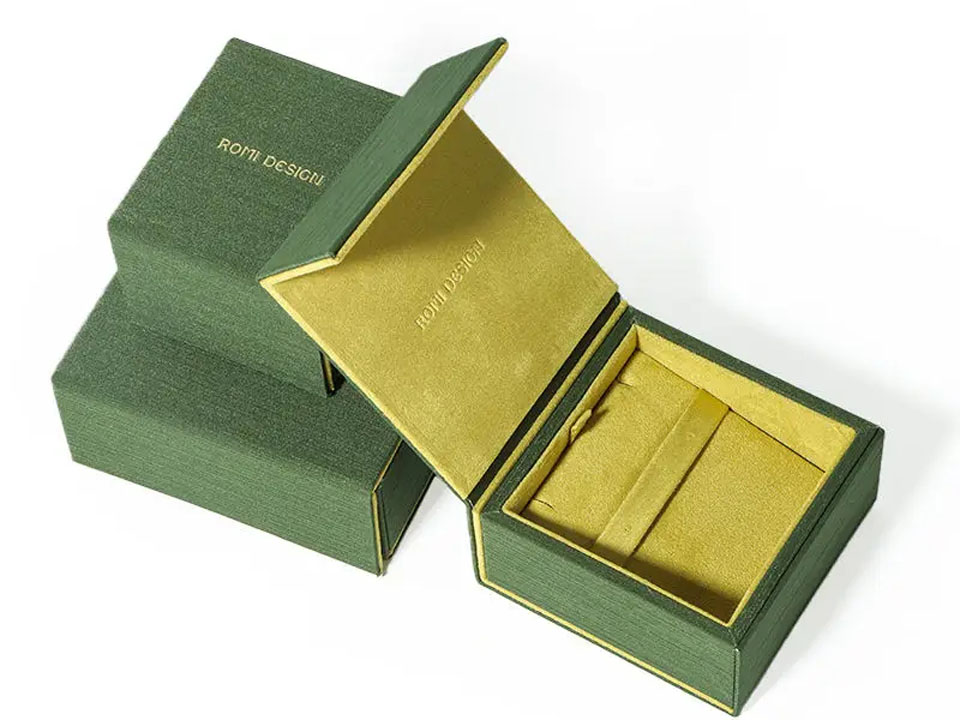
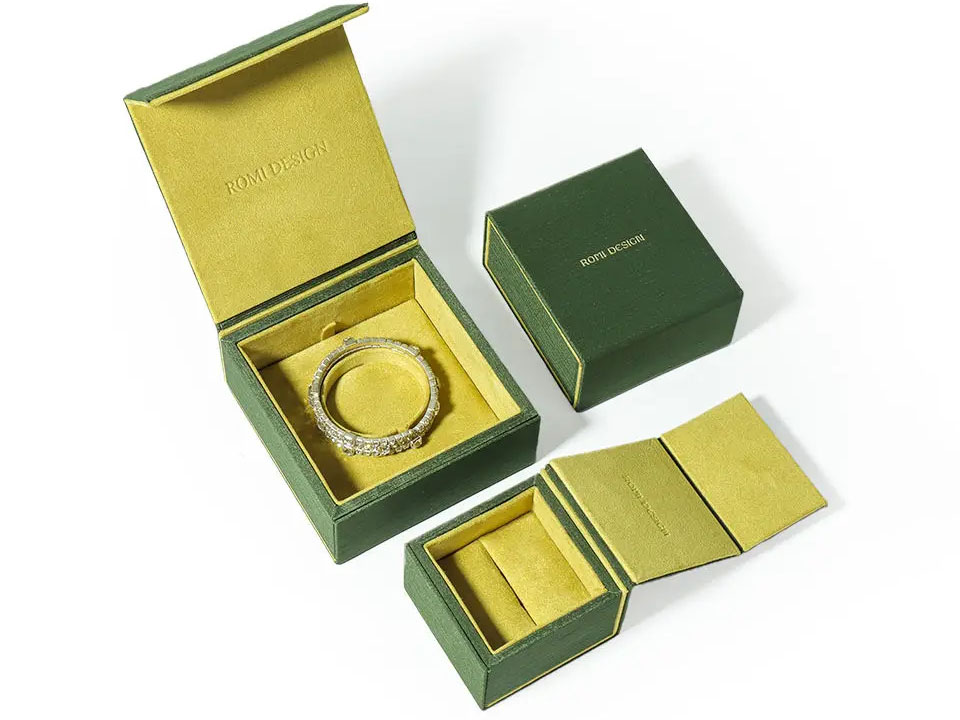
Buyers researching recyclable gift box packaging materials for structured formats like magnetic closure boxes should confirm that the magnetic component itself doesn’t compromise mono-material recyclability — a small metal or plastic closure can disqualify an otherwise recyclable paperboard structure from single-stream recycling in some municipal systems.
“Biodegradable” without a testable standard is not a specification — it’s an adjective. QA managers should require one of the recognized test standards (such as ASTM D6400 for compostability in the US or EN 13432 in the EU) attached to any biodegradable claim, along with a defined end-of-life environment. A material that biodegrades in an industrial composting facility at controlled temperature and humidity will often not biodegrade in a home compost bin or a landfill, and marketing copy that blurs this distinction creates direct exposure under the FTC Green Guides and the EU’s emerging Green Claims framework.
When evaluating biodegradable packaging specifications for inserts, liners, or void-fill components, ask the supplier for the specific certificate number and issuing lab, not a generic compliance statement.
FSC Chain of Custody certification tracks paper and wood fiber from certified, responsibly managed forests through each stage of production, and buyers commonly request it as evidence for sustainability claims on paperboard gift boxes. The failure mode strategic sourcing teams run into isn’t the absence of certification — it’s scope mismatch. A supplier may hold a valid FSC certificate at the company level while the specific paperboard grade, mill run, or converting line used for your order falls outside that certified scope.
Before placing a volume PO, request the certificate number and verify it directly against the FSC database, and confirm the certificate covers the specific product line you’re ordering, not just the manufacturer’s registration. Buyers evaluating an FSC certified packaging supplier for rigid gift boxes should request this documentation as a standard pre-production deliverable, not a post-shipment afterthought.
Plastic-laminated boxes have historically offered better moisture resistance, a glossier finish, and lower unit cost at scale. Mono-material recyclable structures — uncoated or water-based-coated paperboard, adhesive systems compatible with repulping — solve the recyclability problem but introduce new manufacturing variables.
The tooling implication is the one product managers underestimate most often. A die-line built for a laminated board with plastic-film reinforcement does not transfer cleanly to an uncoated mono-material structure; crease behavior, fold memory, and panel tolerance all shift. Expect a new tooling charge and at least one additional prototype round when converting an existing SKU, and build that into the project timeline rather than discovering it mid-production.
A box can use 100% recycled, FSC-certified paperboard and still fail a recyclability claim because of what’s applied to the surface. Non-compostable UV coatings, solvent-based adhesives, and certain foil-stamping processes can render an otherwise recyclable structure non-conforming. QA teams should validate — through supplier documentation or independent lab testing — that adhesives, inks, and coatings used on the finished box are compatible with the recyclability or compostability claim printed on it. This is a common point of failure that surfaces only after a retailer’s compliance team rejects incoming inventory, which is a far more expensive place to catch the problem than pre-production sampling.
| Material Option | Recyclability | Typical Certification | Structural Notes | Relative Lead Time Impact |
|---|---|---|---|---|
| Virgin FSC-certified paperboard | High (standard streams) | FSC Chain of Custody | Consistent GSM, strong print surface | Baseline |
| 100% recycled kraft board | High, if mono-material | FSC or PEFC (recycled claim) | Wider GSM tolerance, verify burst strength | Moderate increase |
| Plastic-laminated board | Low (requires separation) | None typically applicable | Best moisture resistance, glossy finish | Baseline to fast |
| Mono-material coated (water-based) | High | FSC + coating compliance docs | Slightly lower moisture resistance than plastic lamination | Moderate to high increase |
| Molded pulp inserts | High | Varies by supplier | Lower load-bearing precision than foam | Moderate increase |
Lead time impact is directional and depends on supplier capacity, region, and order volume; always confirm against a specific quote.
Strategic sourcing teams often qualify a single supplier to serve both US and EU demand, assuming that one “eco-friendly” spec satisfies both markets. It doesn’t. The EU’s PPWR recyclability and recycled-content targets operate on a different compliance timeline and documentation standard than US requirements, and EU member states layer on national rules on top — Germany’s LUCID registration for extended producer responsibility being a frequently missed example. US buyers face their own patchwork, with state-level EPR laws (California’s SB 54 among them) creating requirements that don’t map directly onto EU rules.
The practical implication: qualify your supplier’s compliance documentation per destination market, not once globally. A supplier that produces excellent compliance paperwork for EU shipments may not have equivalent documentation ready for a US state EPR filing, and the reverse is equally common. Buyers sourcing packaging with cross-border retail distribution should ask the supplier directly which regional compliance frameworks they’ve produced documentation for previously, rather than assuming broad “eco compliance” covers every jurisdiction. For teams mapping out eco packaging compliance requirements EU US, it’s worth building a simple compliance matrix by destination country before finalizing supplier selection — a one-page document that has saved more than one sourcing team from a blocked shipment.
A recurring mistake in sustainable packaging procurement is comparing supplier quotes on unit price alone. Certified paper stock frequently carries a minimum order quantity premium — mills often require larger minimum runs to justify certified fiber sourcing — which changes the real cost per unit once inventory carrying cost is factored in. Add freight and duties, which can shift meaningfully depending on whether the certified board is sourced regionally or imported, and the “cheaper” quote on paper can end up costing more delivered.
Procurement managers should build a landed cost model that includes: unit price, MOQ-driven inventory carrying cost, freight (including any surcharges tied to specialty paper weight or dimensions), duties, and a contingency line for compliance rework if documentation gaps surface after the PO is placed. This is also the model that makes it easier to justify a sustainability premium to finance stakeholders — showing the full cost basis, rather than a bare unit price comparison, changes the conversation from “why does eco packaging cost more” to “here’s what the total cost actually looks like.”
One pattern worth naming directly: teams that treat FSC certification or recycled content as a pure cost center, without pricing in the compliance risk of not having it, consistently underestimate the true cost of the cheaper uncertified alternative. A blocked EU shipment or a retailer compliance rejection costs far more than the certification premium ever would. That’s not a popular argument with finance stakeholders focused on unit cost, but the total cost data supports it every time a shipment gets held at a port.
Switching from conventional coated board to FSC-certified stock, or from solvent-based to soy or water-based printing processes, adds lead time that operations managers frequently underestimate when planning seasonal launches. Certified paper stock may run on a different mill schedule than conventional stock, and water-based printing processes often require press recalibration and additional drying time compared to solvent-based runs.
Build in extra weeks, not days, when converting an existing SKU ahead of a Q4 or holiday launch window, and confirm the supplier’s actual certified-stock lead time — not their conventional-stock lead time — before locking a launch date. A rushed conversion late in the season is the most common reason sustainable packaging projects end up paying expedite freight, which erodes the cost case for the switch in the first place.
No claim on a spec sheet should be trusted for a volume PO without physical or lab validation. A practical pre-production checklist:
Buyers sourcing through a sustainable gift box packaging supplier should treat this checklist as a standard pre-production gate, not an optional step reserved for high-risk orders. It’s a discipline that shows up as a small time cost up front and a large risk reduction downstream — the classic quality tradeoff every experienced procurement team eventually accepts.
Product managers evaluating OEM development for gift box lines with custom inserts or branded structures should also confirm tooling ownership and reorder terms early. When qualifying a custom sustainable packaging OEM partner, clarify who owns the die-line and mold tooling, what the reorder lead time looks like against the certified stock’s actual mill schedule, and whether tooling charges are amortized across a minimum order volume or billed as a one-time NRE cost.

What certifications should I request before approving an “eco-friendly” gift box supplier?
Request FSC Chain of Custody documentation matched to your specific product line, mill certificates for recycled content claims, and lab test reports for any biodegradable or compostable claim tied to a recognized standard like ASTM D6400 or EN 13432.
Is recycled kraft board strong enough for premium gift packaging?
It can be, but only if burst strength, GSM tolerance, and moisture resistance are specified and tested against your actual product weight and shipping conditions — recycled fiber runs show more variance than virgin stock by default.
Does FSC certification at the company level guarantee my order is certified?
No. Certificate scope can be company-wide while excluding specific paperboard grades or converting lines. Verify the certificate number against the FSC database and confirm it covers your exact product before placing a volume PO.
How much extra lead time does switching to certified paperboard typically add?
It varies by supplier and region, but certified stock often runs on a different mill schedule than conventional stock. Confirm the supplier’s certified-stock lead time specifically, and build in extra weeks ahead of seasonal launch windows.
Can a box be recyclable if it uses UV coating or foil stamping?
Not always — some UV coatings and solvent-based adhesives are non-compostable and can disqualify an otherwise recyclable structure. Validate coatings and adhesives against your recyclability claim before finalizing the design.
Do EU and US eco-packaging regulations require the same compliance documentation?
No. The EU’s PPWR sets its own recyclability and recycled-content targets, while the US relies on a patchwork of state-level EPR laws. Qualify supplier documentation separately for each destination market rather than assuming one global standard applies.
Comments