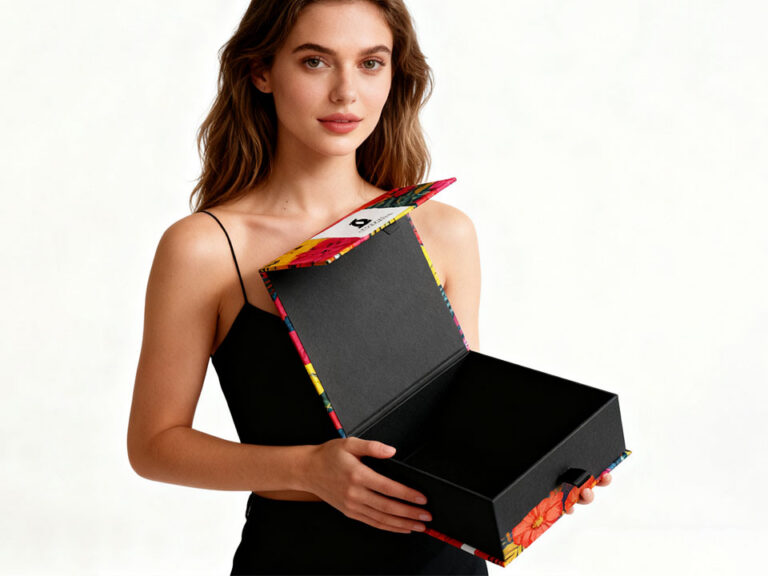
Let Our Packaging Experts Review Your Project
Share your packaging requirements before you leave. Our experts can review your dieline, artwork, materials, inserts, finishing, certifications, MOQ, quality checks, and delivery expectations.

Cosmetic packaging is among those points buyers notice prior to they confess they observe it.
A flimsy box makes a serum feel economical. A tight, well-fitted carton makes a $12 lip balm feel giftable. A smart screen box can turn a slow-moving SKU into things individuals get hold of at check out.
That is why choosing the right box kind is not simply a “design task.” It is an item, brand, retail, shipping, and expense choice all rolled right into one.
The beauty market is still expanding, but it is not as flexible as it was a couple of years ago.
McKinsey anticipates the global beauty market to grow 5% every year with 2030, but it likewise keeps in mind that shoppers are much more value-conscious and less satisfied by hype than previously. That matters for product packaging. Your box needs to gain its room. It needs to look great, shield the formula, discuss the item fast, and make the cost really feel fair. McKinsey’s 2025 elegance market research sustains that shift.
And the packaging side is growing as well. Lot of money Company Insights estimates the international cosmetic packaging market at USD 57.55 billion in 2025, with a projected rise to USD 89.72 billion by 2034. Fortune Company Insights’ cosmetic product packaging market record programs why brand names are placing more focus on structure, material, and finish options.
So, no– a box is not “simply a box.”
It is the initial sales pitch.
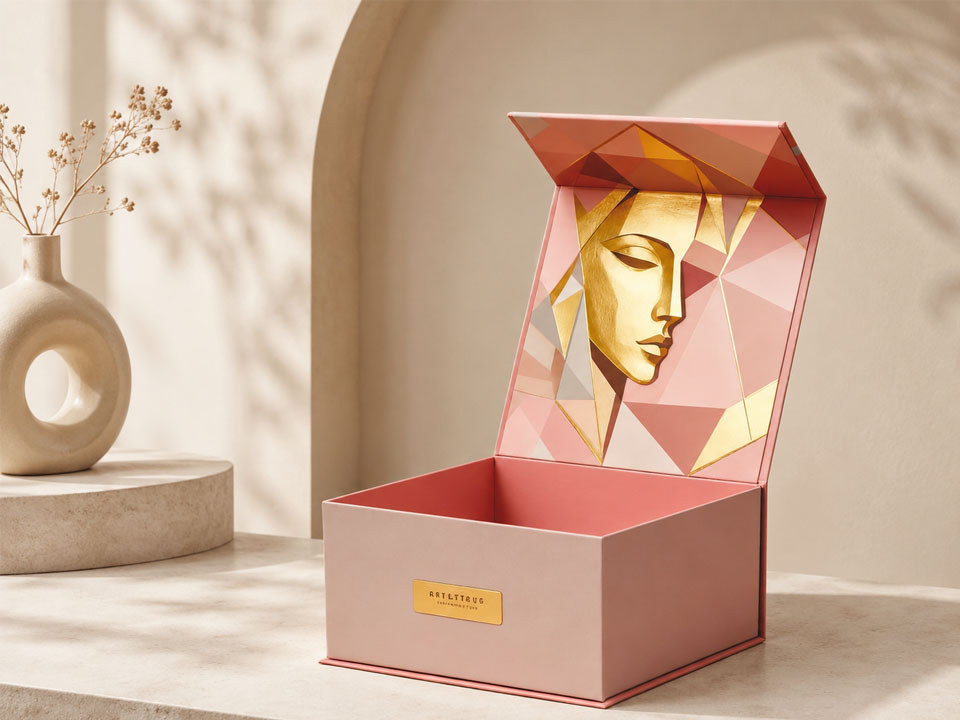
Folding containers are the most common kind of cosmetic box, and forever factor. They are light, printable, inexpensive, and easy to scale.
You see them anywhere: mascara boxes, eyeliner boxes, product boxes, lipstick containers, cream boxes, facial oil cartons, mask boxes, soap boxes, and small hair treatment product packaging.
Most folding carton cosmetic boxes are made from SBS paperboard, art card, kraft paperboard, or layered paperboard. They deliver level, which helps reduce freight and storage space migraines. Then they are folded, glued, filled up, and loaded.
Simple.
But easy does not suggest dull.
A folding container can bring soft-touch lamination, aluminum foil marking, place UV, embossing, debossing, soy-based inks, matte finish, gloss coating, metallic paper, or a die-cut window. If the structure is right, a folding carton can look premium without requiring your price per unit into deluxe territory.
Slim containers can squash throughout delivery. Heavy glass containers require stronger board, inserts, or enhanced panels. If your item leakages, stains, or has oil movement risk, you must check finishing and inner fit prior to production.
Our honest take?
For the majority of beauty startups, folding containers are the best very first step. They give you space to brand name hard, examination quickly, and control cost.
For purchasers contrasting cosmetic packaging boxes, folding containers are generally the standard framework to rate initially.
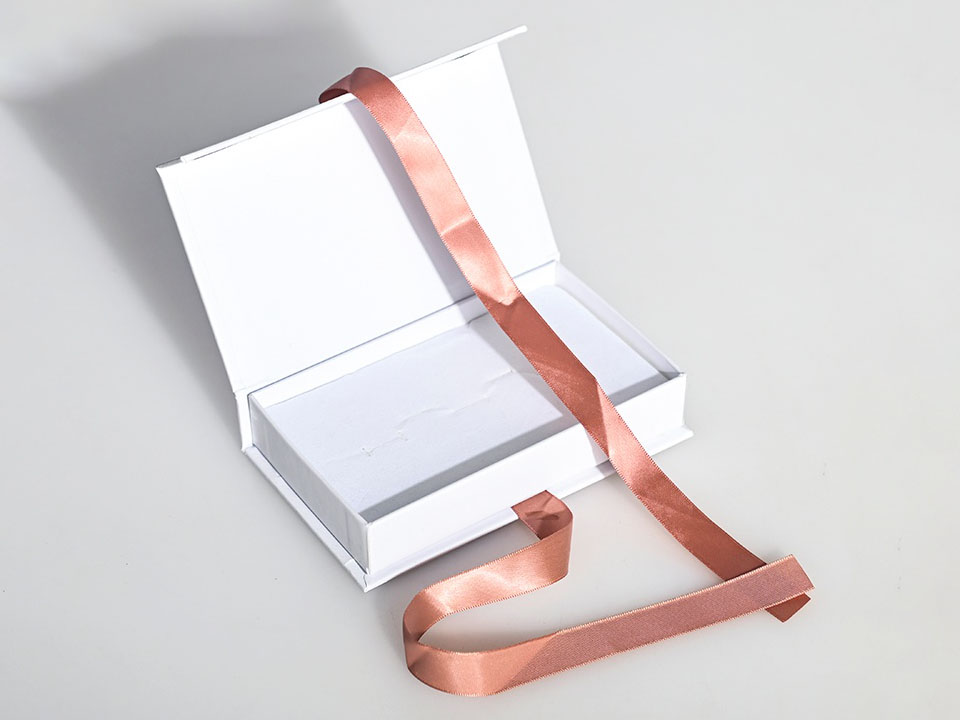
Rigid cosmetic boxes are the boxes people maintain.
That is their entire benefit.
They are normally made with thick greyboard covered in printed paper, specialized paper, textured paper, or covered stock. They do not fold flat like containers. They show up formed, strong, and prepared to load.
That makes them a lot more expensive.
But occasionally the price is warranted.
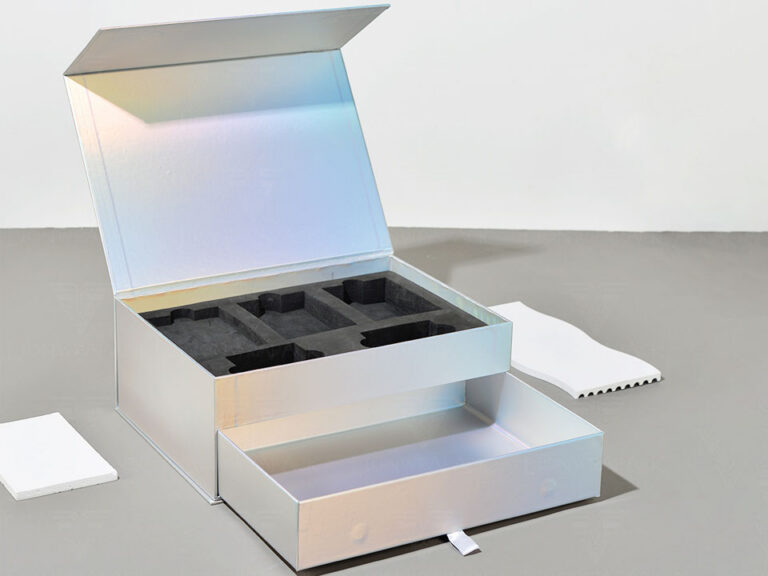
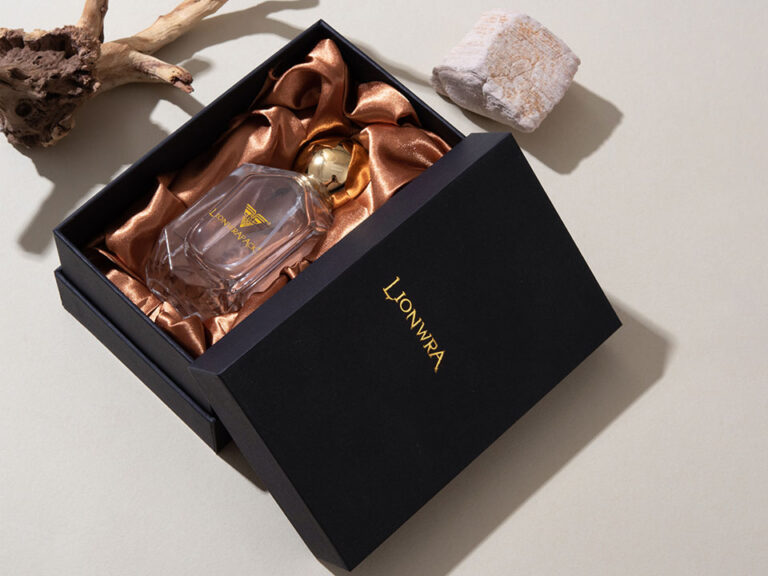
An inflexible box can make a skincare set seem like a present. It can make a scent launch look more pricey. It can transform a limited-edition make-up scheme into an enthusiast thing. For influencer seeding, public relations sets, vacation packages, and costs retail, rigid boxes usually do the hefty lifting.
Inflexible boxes need more storage area. They set you back more to ship. They also require a cleaner production plan because late changes can be pricey.
If you are offering a $6 lip balm, inflexible is possibly excessive.
But for a $90 serum duo?
Different story.
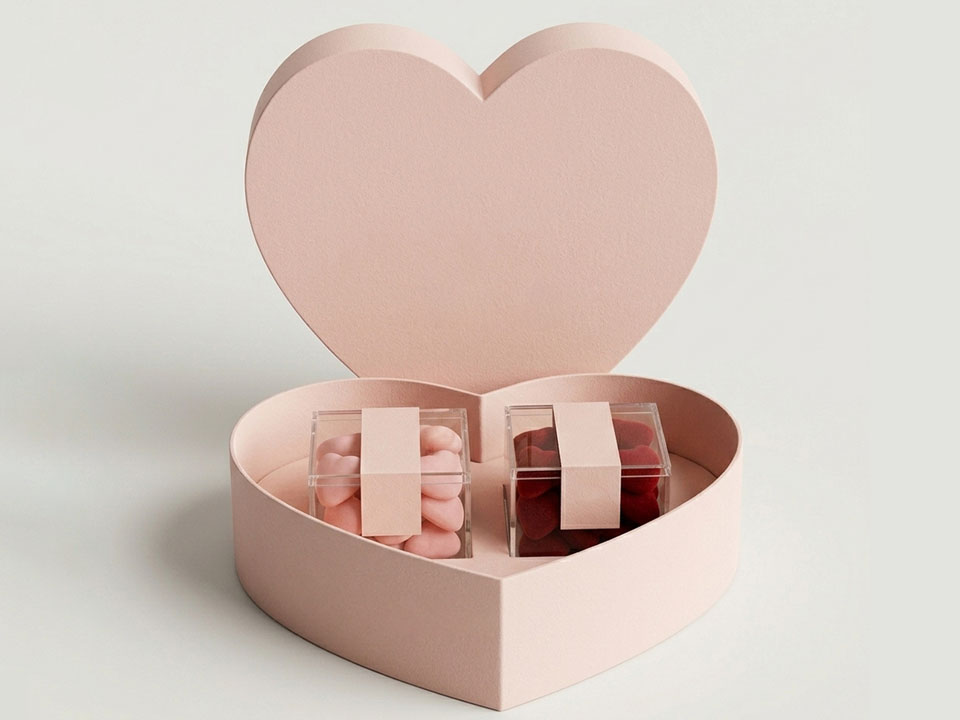
Sleeve and tray boxes sit in the sweet spot in between folding containers and rigid boxes.
They feel more sleek than a common tuck-end carton, but they normally set you back less than full stiff product packaging. The product sits in a tray, and a printed sleeve slides over it. The sleeve can be paperboard, kraft, textured stock, or specialty paper.
The unboxing is slower. Extra willful.
That little time out matters.
A sleeve box offers small products a presented reveal. It works specifically well when you intend to separate item protection from brand name narration. The tray safeguards and holds. The sleeve markets.
Sleeves should be gauged carefully. Too tight, and clients battle the box. As well loose, and it feels cheap.
You likewise need to think of rubbing. Matte lamination, paper structure, moisture, and container tolerance can all transform how the sleeve steps. That is why tasting matters.
A sleeve box looks easy until it slides severely.
After that every person notifications.
Home window cosmetic boxes are built around one straightforward idea: let the item assistance offer itself.
If the container color is attractive, reveal it. If the lipstick shade is the selling point, reveal it. If the product has an one-of-a-kind applicator, jar shape, label, or structure, allow the purchaser see it before opening.
Window boxes typically use a die-cut opening with animal, rPET, cellulose movie, or no film in all, depending upon the product and retail setting.
They can be functional, quite, or both.
Windows lower area and can deteriorate the carton panel if the cutout is as well huge. They additionally include product and assembly considerations.
And right here is the part some brands miss: the window should reveal the right thing.
A home window that discloses a barcode, adhesive seam, plain cap, or awkward empty space does not aid you. It makes the item look much less thought about.
Use the window only when the sight enhances the sale.
Display boxes are not simply packages. They are mini retail components.
They hold multiple devices and existing them on counters, shelves, check out locations, beauty parlors, health clubs, and elegance shops. Some are made as kitchen counter screen boxes. Others function as dispenser boxes, tear-away cartons, or little retail trays.
For little products, display boxes can do what specific product packaging can not: develop a block of color and brand visibility.
One lip balm resting alone is easy to disregard.
Twenty lip balms in a branded screen?
That obtains a review.
The display screen has to hold form after products are gotten rid of. If the front wall surface bows, the rack visibility goes down fast.
You additionally need to prepare retail replenishment. Can staff re-fill it quickly? Does the screen ship pre-filled? Does it require a dust cover? Will it fit the merchant’s rack regulations?
Present product packaging is where beauty packaging meets retailing. Treat it in this way.
Eco-friendly cosmetic boxes are not a single structure. They are a material and layout direction.
That suggests you can have eco-friendly folding cartons, sleeve boxes, stiff boxes, window boxes, or screen boxes. The distinction remains in the substratum, coating, inks, ending up, and end-of-life strategy.
Typical choices consist of kraft paperboard, FSC-certified paper, recycled paperboard, built pulp inserts, water-based finishings, soy-based inks, plastic-free home windows, and right-sized frameworks that minimize product waste.
Yet beware with cases.
Do not slap “environment-friendly” on a box and hope nobody asks concerns. Buyers are more informed currently, and obscure sustainability language can produce trust problems.
NielsenIQ reported in 2025 that beauty connects such as cruelty-free, vegan, sulfate-free, and lasting product packaging are growing quicker than the total beauty classification. It likewise found that brand-new products account for 19% of complete charm buck sales, while smaller sized brands contribute 58% of buck growth. NielsenIQ’s clean charm evaluation makes the point clearly: product packaging and values are currently looped in the customer’s mind.
McKinsey’s 2025 global packaging survey additionally discovered that every geography studied consists of customers ready to pay more for sustainable packaging, though the dimension of that team modifications by region and group. McKinsey’s sustainable product packaging research study is useful analysis prior to making wide cases on-pack.
Some eco materials do not take care of heavy ink protection well. Some finishings impact recyclability. Some “compostable” materials just work in commercial composting systems, not backyard garden compost containers.
So ask three inquiries prior to authorizing the material:
If the response is no, keep working.
| Box Type | Ideal Usage Instance | Normal Material | Expense Level | Rack Influence | Delivering Security | Main Threat |
|---|---|---|---|---|---|---|
| Folding carton cosmetic boxes | Day-to-day make-up, skincare, hair treatment, soap | SBS, kraft, layered paperboard | Reduced to tool | Solid with great print | Medium | Can squash if board is also slim |
| Rigid cosmetic boxes | Premium sets, PR boxes, present collections | Greyboard with wrapped paper | High | Very solid | High | Higher storage and freight expense |
| Sleeve and tray boxes | Small collections, examples, lip treatment, lash sets | Paperboard, kraft, specialty paper | Tool | Premium feel | Medium | Poor sleeve fit injures experience |
| Window cosmetic boxes | Products where color or container design offers | Paperboard plus movie or open cutout | Tool | Strong aesthetic pull | Tool | Home window can weaken structure |
| Cosmetic display boxes | Retail counters and impulse acquires | Corrugated board, paperboard | Medium | Extremely solid in-store | Medium to high | Present may droop if underbuilt |
| Environment-friendly cosmetic boxes | Tidy appeal, refill lines, low-waste brands | Kraft, recycled board, FSC paper, molded pulp | Reduced to high | Rely on layout | Depend upon framework | Weak or unclear cases reduce trust fund |
A lot of brands begin with the wrong inquiry.
They ask, “Which box looks best?”
A much better question is: “What work does this box need to do?”
Because a box for a glass product bottle has a different job than a box for a lip balm screen. A box for Sephora-style retail has a various job than a box for shopping subscription distribution. A box for a holiday gift set has a different task than an easy replenishment SKU.
Right here is the practical filter we such as.
Select a folding carton.
It offers you speed up, publish quality, and cost control. Include a personalized insert if the item rattles. Usage foil or area UV just where it earns attention.
Select stiff.
Particularly if the box might be kept, photographed, or recycled. Rigid packaging works best when the client expects more than basic security.
Choose sleeve and tray.
It is a smart middle ground for smaller charm items, sets, and example systems.
Choose a flowerpot.
Lipstick, nail gloss, soap, and colored items typically gain from visibility. Simply make certain the noticeable angle is flattering.
Choose screen product packaging.
Counter display screens are underrated. They produce quantity, make tiny items less complicated to see, and aid stores offer the product without additional components.
Pick green materials.
However keep the case particular. “Recyclable paperboard” is more powerful than “earth-friendly.” “FSC-certified paper” is more powerful than “green box.”
Material option adjustments cost, print result, stiffness, and sustainability messaging.
SBS is smooth, intense, and print-friendly. It is a common option for beauty packaging due to the fact that shades look clean and costs on it.
Utilize it for make-up boxes, skin care cartons, and products that require top notch graphics.
Kraft gives an all-natural, raw, hand-crafted feel. It functions well for organic skin care, soap, tidy appeal, and minimal brands.
Yet shade behaves in a different way on kraft. White ink might be needed if you want bright graphics.
Corrugated board is stronger and better for display screens, mailers, and much heavier collections. It is less “delicate elegance rack” and much more “protective framework.”
Utilize it when strength issues.
Greyboard is the base of many stiff boxes. It gives thickness, weight, and that costs hand-feel customers associate with high-end product packaging.
Utilize it for present collections, fragrance collections, and high-margin launches.
Molded pulp functions well for inserts, trays, and protective internal frameworks. It is an excellent choice when brand names intend to lower plastic inserts.
Surfaces ought to sustain the brand name, not hide it.
We have all seen boxes with foil, embossing, spot UV, holographic movie, metal ink, and five structures defending focus. More coating does not always mean even more premium.
Often, it simply suggests louder.
Soft, tidy, and modern-day. Great for skincare and costs minimal brand names.
Intense, shiny, and strong. Beneficial for shade cosmetics, youth-focused brand names, and high-energy retail.
Ideal when conserved on a logo design, product name, pattern, or vital aesthetic detail.
Gold, silver, climbed gold, holographic, or custom foil can function magnificently for costs cosmetics. Keep it controlled.
Raised or pressed information offer touch appeal. They work especially well on inflexible boxes and minimalist cartons.
Utilized for windows, customized shapes, hang tabs, inserts, and screen functions.
Let’s call these out plainly.
A cosmetic box should be developed around the genuine item, cap, applicator, tag, fill degree, and any protective cover.
Not an assumption.
If a glass container relocates inside package, the outside layout can not save the experience. Inserts secure the item and improve presentation.
Tiny containers need restriction. Excessive duplicate, too many symbols, and way too many finishes can make the bundle feel unpleasant.
Say what package is made from. Claim whether it is recyclable, recycled, refill-ready, or plastic-free. Prevent unclear claims.
Retailers appreciate barcode placement, hang openings, rack fit, carton toughness, show dimensions, and instance packs. Style for the network, not simply the mockup.
A cosmetic box has two work: market and educate.
The front panel ought to usually carry the trademark name, item name, product type, color or variation, vital advantage, and internet components. The side or back panel can deal with components, usage directions, cautions, producer details, barcode, batch code location, reusing marks, certifications, and lawful copy.
For beauty product packaging, clarity defeats cleverness.
A buyer needs to know what the product is within 3 secs.
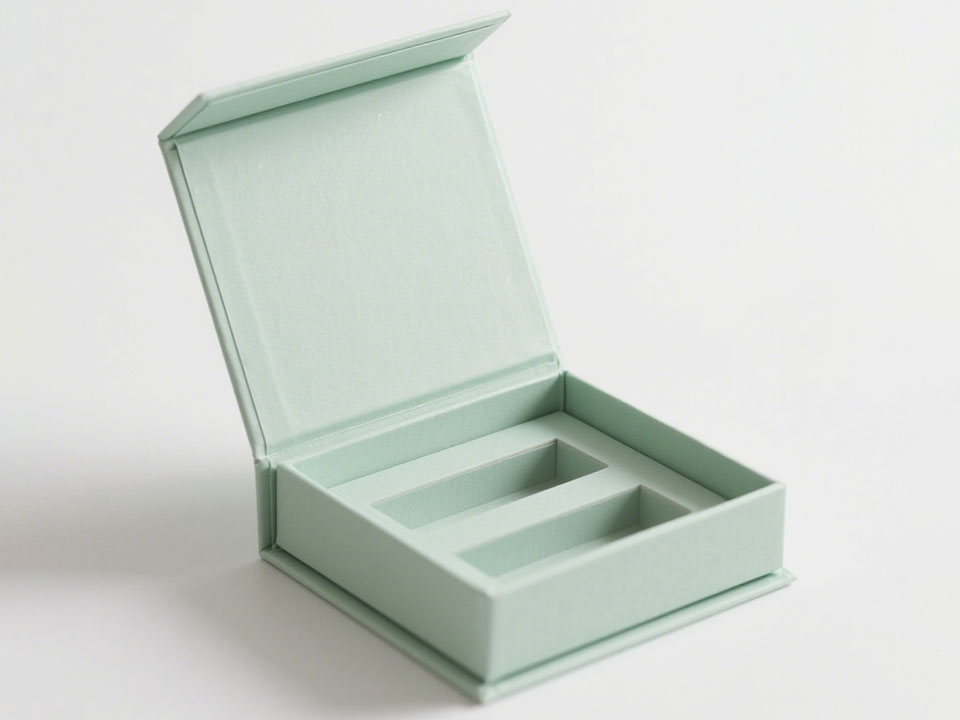
Your box must not look like a random lovely item. It needs to belong to the brand name.
That indicates consistent typography, color logic, logo positioning, finish regulations, product selections, and product naming.
When you construct a line of packaging, assume beyond one SKU:
That is where product packaging starts conserving money. Not on the first order, however on the 5th, tenth, and twentieth.
For brand names comparing personalized cosmetic boxes wholesale, this matters due to the fact that framework uniformity can decrease sampling time, simplify repeat orders, and make the product line feel extra organized.
Customized cosmetic boxes are custom-made product packaging boxes developed for beauty, skin care, makeup, fragrance, hair treatment, and individual care products. They can be personalized by size, product, printing, finish, insert, window, and framework.
Folding container cosmetic boxes are the most common because they are light-weight, printable, cost-efficient, and appropriate for many item kinds.
Inflexible cosmetic boxes are normally best for high-end items, gift sets, public relations kits, and costs launches since they feel durable and premium.
Yes, kraft cosmetic boxes work well for all-natural, organic, handmade, and minimalist skincare brands. They provide an even more natural look, though intense color printing may require added preparation.
Home window cosmetic boxes are made use of when presence helps offer the item. They are common for lipstick, lip balm, soap, nail gloss, fragrance, skin care containers, and products with attractive bottles or colors.
For solitary devices, folding containers or tiny flowerpot function well. For retail counters, lip balm screen boxes are typically much better since they hold several units and enhance in-store visibility.
Utilize better structure first. Then include regulated coatings such as matte lamination, aluminum foil stamping, place UV, embossing, or a personalized insert. Costs packaging is a lot more regarding restriction and fit than design.
Yes. Aesthetic boxes can utilize kraft paperboard, recycled board, FSC-certified paper, formed pulp inserts, water-based finishes, soy-based inks, and plastic-free window options. The best selection depends on item protection and neighborhood recycling truths.
Select the box that fits the product, the rate, and the marketing network.
Not the pattern.
Not the flashiest surface.
Not the framework your rival utilized last season.
A great cosmetic box safeguards the product, discusses the offer, supports the brand, and offers the customer a little reason to trust what is inside. That is the standard now. And truthfully, it needs to be.
Comments